
Licensed Casinos Online 2026
Online gambling keeps growing every year. With more choice comes more risk — and more need for trust. In 2026, the safest path is simple: play only at licensed online casinos. A licence means a government or official body checks the casino, sets rules, and can punish it if it breaks those rules.
This guide explains what “licensed” really means, how licensing works, which regulators are known and respected, how to verify an online casino licence for yourself, and what to expect from payments, casino promotions, and responsible gambling tools. The goal is to help you play safely, protect your money, and enjoy the games with peace of mind.


What Are Licensed Casinos?

A licensed casino website is an online gambling platform that has permission from a recognized authority to offer casino games. That authority could be a national regulator or a local regulator. The licence is not a one-time permit. It comes with rules the casino must follow every day. It shows the site has been checked, is monitored, and can be held to account.
How Casino Licensing Works
Licensing follows a clear process. Regulators do not give out permits for nothing. They ask for proof, check the people in charge, and review the systems that run the casino.
- Fit and proper checks: Owners and key managers are checked for criminal history, past business conduct, and honesty.
- Financial checks: The casino must show clean funds, enough capital, and proper management of player money.
- Technical checks: Game software must be certified for fairness by approved testing labs. The real money casino must protect data and run secure systems.
- Ongoing oversight: Licensed casinos must report key numbers, follow anti-money laundering rules, and submit to audits.
- Player protection: The licence requires clear terms, responsible gambling tools, and a system for handling complaints.
Mobile Licensed Casinos
Most players now use phones or tablets. Licensed casinos must meet the same high standards on mobile as on desktop. This includes secure online casino logins, encryption, fair games, and responsible gambling tools that work on small screens.
In short, if a casino is licensed, its app or mobile casino site is covered by the same rules as the desktop version. You should expect smooth performance, safe payments, and the same ability to set limits or self-exclude from your phone.
Major Gambling Jurisdictions and Licences
Licences aren’t created equal. Different regulators enforce different standards — some are rigorous and hands-on, others set lighter rules. Choosing a strong licence clarifies your rights and strengthens protection. Below are widely recognized authorities and the types of gaming licences they cover. Specific requirements can vary and change, but the goal remains consistent: keep games fair, safeguard players, and combat fraud.
United Kingdom Gambling Commission (UKGC)

The UKGC is known for its strict standards, prioritizing consumer protection, fair games, and responsible gambling. This means casinos must conduct strong player checks, quickly verifying age and identity, often before any deposits. They are also required to provide comprehensive responsible gambling tools, including clear limits, self-exclusion options, cooling-off periods, and safer gambling messages.
Furthermore, casino bonus terms must be transparent and fair, with misleading advertisements strictly prohibited. The UKGC ensures games are certified, and return-to-player (RTP) data is accurate and available. Should a dispute arise that cannot be resolved directly with the casino, independent resolution services are readily available. Breaking these rules can lead to substantial fines or even licence revocation by the UKGC.
Malta Gaming Authority (MGA)

The MGA is a well-known European regulator, respected for its structured rules and clear processes. What this usually means for you is that casinos must demonstrate financial stability, secure systems, and fair games. They are also required to provide responsible gambling features such as self-exclusion tools, limit setting, and practical supports.
Should normal support channels fail, players have the option to raise complaints directly to the regulator for dispute handling. Additionally, game providers and platform companies must also receive approval, adding another layer of checks. MGA-licensed sites are common in many markets where local rules allow them to operate.
Gibraltar Licensing Authority
Gibraltar’s Licensing Authority, with oversight from the Gambling Commissioner, issues remote-gambling licences to a relatively small number of operators, typically focusing on established companies with strong track records. This means owners and management teams undergo strict background checks. These casinos must adhere to a strong compliance culture, which includes ongoing audits, anti-money laundering requirements, and game testing. Many brands use their Gibraltar licence for international offerings, subject to local market rules.
Curaçao eGaming Licence

Curaçao has long offered licences for online casinos, and in recent years, its framework has moved toward tighter oversight and more standardized processes. For players, this means casinos must meet basic operational standards for security, fairness, and responsible gambling. The compliance bar has been rising, so it's wise to check the current status of a casino’s licence on the official portal to verify that it is active and valid. Many sites licensed in Curaçao target multiple countries, but your ability to play will ultimately depend on your local laws. While Curacao-licensed casinos can be safe, you should always look for clear proof of the licence and confirm that basic player-protection tools are in place.
Other Recognized Jurisdictions
Several other regulators license online casinos for specific markets or international audiences. Common examples include:
- Isle of Man: Known for strong anti-money laundering rules and robust oversight.
- Alderney Gambling Control Commission (AGCC): Focuses on integrity and technical standards.
- Sweden: Strong consumer protection within Sweden, with central self-exclusion.
- Denmark: High standards for local operators and strict ad rules.
- Spain, Italy, France, Netherlands: National gaming online licences with local requirements, player protection, and tax rules.
- States and provinces (e.g., parts of the U.S. and Canada): Local regulators license casinos within their borders, often with geolocation checks.
The key point: a licence is only as strong as the regulator behind it. National or regional licenses that have clear rules and active enforcement offer better protection.



Benefits of Playing at Licensed Casinos
Beyond mere legality, playing at a licensed online casino offers substantial and tangible advantages. Here's why choosing a regulated platform genuinely enhances your gaming experience:
- Enhanced Security: Your personal information and financial transactions are safeguarded by robust security protocols, including advanced encryption technologies, regular system audits, and strict data protection standards enforced by the licensing authority. This ensures your money and identity remain secure from cyber threats.
- Guaranteed Fairness: Games are not rigged. Licensed casinos are required to have their games independently tested and certified for fairness by third-party agencies. This verifies that outcomes are genuinely random, and the advertised Return to Player (RTP) percentages are accurate, giving you a fair chance to win.
- Transparent Terms and Conditions: No hidden clauses or tricky language. Licensed operators must present their terms, conditions, and bonus rules in a clear, concise, and easily understandable manner. This transparency protects you from unexpected surprises and ensures you know exactly what you're agreeing to.
- Effective Dispute Resolution: Should an issue arise, you're not left to fend for yourself. Licensed casinos provide clear pathways for resolving complaints, often involving an independent mediator or the licensing body itself. This impartial third-party oversight ensures your concerns are addressed fairly.
- Commitment to Responsible Gambling: Licensed platforms prioritize player well-being. They offer a suite of responsible gambling tools, allowing you to set deposit limits, session limits, loss limits, or even self-exclude for a defined period. They also provide access to support resources for those who might need help managing their gambling habits.
Player Protection and Fair Play
Before diving into lists and guides, it's important to understand what "protection" truly means in practice. Licensed casinos are mandated to employ various tools to help you manage your play and ensure fairness. This includes stringent age and identity checks to prevent underage gambling and fraud, alongside allowing you to set your own deposit and loss limits for daily, weekly, or monthly spending.
They also implement session reminders to help you keep track of your time and expenditure, and offer self-exclusion options if you need to take a break from gambling for a set period or longer. Furthermore, these platforms guarantee fair play through certified games, which are independently tested by third-party labs for random number generators (RNGs) and accurate payout rates.
Secure Payment Systems

Licensed casinos must handle payments with care, offering transparent processing, quick withdrawals, and strong protections. If speed matters, choose a fast payout casino that prioritizes efficient processing once verification is complete.
This means player money is often kept separate from company funds, and casinos verify your identity through KYC/AML checks before large withdrawals to combat fraud and money laundering. Furthermore, all data transfers are protected with encryption, and regulations often stipulate that withdrawals must be processed within a reasonable timeframe, though specific limits can vary based on the regulator and payment method.
Responsible Gambling Measures
Before you start, turn on the tools that help you stay in control. They are there to protect you and are part of a licensed casino’s duties.
- Deposit, loss, and time limits: Set them before you play.
- Reality checks: On-screen prompts remind you how long you have been playing.
- Time-outs and self-exclusion: Take short breaks or longer pauses when needed.
- Access to support: Links to helplines and support groups are easy to find.
- Blocking tools: Some regulators offer nationwide self-exclusion; device-level blocking apps are also available.
Risks of Unlicensed Casinos
Unlicensed sites might look flashy, but the risks are real. If you play there, you have fewer rights and less protection.
Lack of Player Safety

Unlicensed casinos lack genuine oversight, meaning no regulator verifies the games or the operators running the site. This often leads to poor security practices, putting your data at risk and potentially causing delays or blocks in payments. Furthermore, their terms and conditions, especially no deposit bonus offers and withdrawals, can be opaque and unfair to players.
No Legal Recourse

Should a casino refuse to pay out winnings, players often find themselves without recourse, as there's no regulatory body to intervene on their behalf. Even public complaints or attempts to shame the site can be ignored, leaving players with no effective way to enforce their claims.
How to Check if a Casino Is Licensed
A quick check can save you a lot of trouble. Here is a simple guide you can use every time.
- Scroll to the footer: Look for the licensing information at the bottom of the site. You should see the regulator’s name and a licence number.
- Click the seal or link: Many sites show a regulator’s logo. Click it. It should lead to the regulator’s official page for the casino.
- Match the details: Check that the company name, licence number, and website domain match the regulator’s record.
- Check status: Make sure the licence is active and not suspended or expired.
- Check the domain: Confirm the casino you are on matches the domain listed on the regulator’s page.
- Scan terms and payments: Read the terms, bonus rules, withdrawal times, and KYC requirements. Look for clear, fair language.
- Look for responsible gambling tools: You should see deposit limits, self-exclusion, and support links.
- Confirm casino payment methods: Make sure your preferred method is supported and has reasonable fees and timelines.
- Test support: Open live chat or email and ask a simple question about licensing or withdrawals. Quality of support matters.
Licensed Online Casino Games
Licensed casinos provide players with a diverse selection of games to suit different preferences and playing styles. The exact range varies depending on the casino and its target market, but certain game types are universally popular. Here are some common types of licensed games you can expect to find — including options tailored for a high roller casino, where higher betting limits, VIP tables, and premium live-dealer experiences are available for players seeking larger stakes.
- Slots: From classic three-reel slots to modern video slot games packed with features and casino jackpots, all use certified random number generators (RNGs) for fair gameplay.
- Table Games: Popular options like live roulette online, live blackjack online, baccarat, and craps are offered with standard rules, providing an authentic casino experience.
- Live Dealer Casino Games: Enjoy real-time casino action with games streamed from secure studios and hosted by professional, trained dealers for an interactive experience.
- Video Poker: Play digital versions of poker online with clear paytables that let you strategize and improve your chances of winning.
- Instant Games: Quick and easy options like scratch cards, keno, crash games, and other arcade-style titles for those who prefer straightforward gameplay.
- Speciality Games: Unique offerings like bingo or game-show-inspired formats developed by approved casino software providers, adding an element of fun and variety.
Licensed casinos ensure a safe and enjoyable gaming experience by adhering to strict regulatory standards, giving players peace of mind while they explore various gaming options.
Licensed Casino Bonuses and Promotions

Bonuses can be useful, but only when terms are fair and clear. Licensed casinos must show key rules upfront and avoid misleading claims. Quick guidance: Always read the terms before you opt in. Focus on wagering, game weightings, time limits, and max win or withdrawal rules. Best online casinos offer:
- Welcome bonuses: A casino welcome bonus often matches your first deposit and may also include free spins.
- No-deposit bonuses: Small rewards for new accounts, usually with higher wagering.
- Reload bonuses: Extra funds on later deposits.
- Free spins: Given on progressive slots, often with win caps.
- Cashback: A percentage of net losses returned over a period.
- VIP casino programs: Tiered perks for active players, with rules on how points are earned and spent.
- Casino tournaments: Time-limited competitions with leaderboards and prize pools; check game eligibility, scoring rules, and wagering on prizes.
Payment Methods at Licensed Casinos
Payments should be smooth, safe, and clear. Licensed casinos usually support a mix of cards, e-wallets, bank transfers, prepaid options, and sometimes cryptocurrencies. If fast cash-outs matter, look for an instant withdrawal casino that processes payouts quickly once KYC checks are complete. Processing times vary by method and by the casino’s own checks. Before exploring the payment table below, it's important to understand how each method caters to different player preferences and transaction needs:
| Method | Typical Use | Deposit Speed | Withdrawal Speed |
|---|---|---|---|
| Debit/Credit Cards | Common and familiar | Instant | 1–5 business days |
| Bank Transfer | Larger amounts | 1–3 business days | 1–7 business days |
| E-Wallets | Fast online payments | Instant | Minutes to 24 hours |
| Prepaid Vouchers | Cash-like top-ups | Instant | N/A |
| Mobile Pay Solutions | Quick phone payments | Instant | Varies |
| Cryptocurrencies | Digital asset users | Near-instant | Minutes to hours |
Cryptocurrency in Licensed Casinos
Crypto use in online casinos has grown, but it depends on local rules. Licensed casinos that accept crypto must follow the same security and responsible gambling rules — and sometimes stricter checks. A few points to consider before using crypto casino options:
- Check legality: Make sure crypto gambling is allowed in your country or state.
- Licence coverage: Confirm the regulator permits crypto payments for that site.
- Volatility risk: Coin values can swing fast. Only deposit what you can afford to lose.
- Network fees and speed: Transfers can be fast, but fees vary by network.
- KYC still applies: Licensed casinos often require identity checks even when you use crypto.
- Payout address care: Double-check wallet addresses and networks to avoid lost funds.
Licensed Casinos by Region
Laws vary across the world. The safest approach is to play at casinos licensed for your region or at international sites that are allowed to serve your country. Below is a simple overview — always check your local rules before you play.
Europe
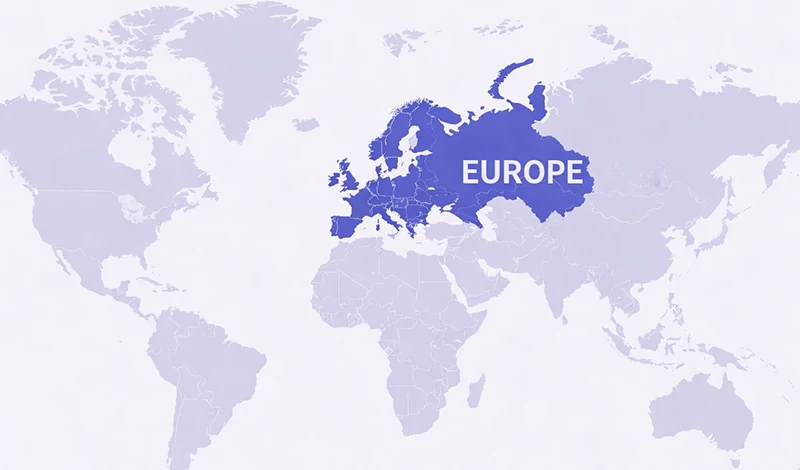
In Europe, national licensing is prevalent, with countries like the UK, Sweden, Spain, Italy, Denmark, and the Netherlands each maintaining their own distinct licences and regulatory frameworks. Beyond these national systems, Malta and Gibraltar stand out as crucial hubs for international operations, facilitating access to permitted markets. Across the continent, many European regulators prioritize responsible gambling, enforcing strong consumer protections and rigorous advertising standards.
North America
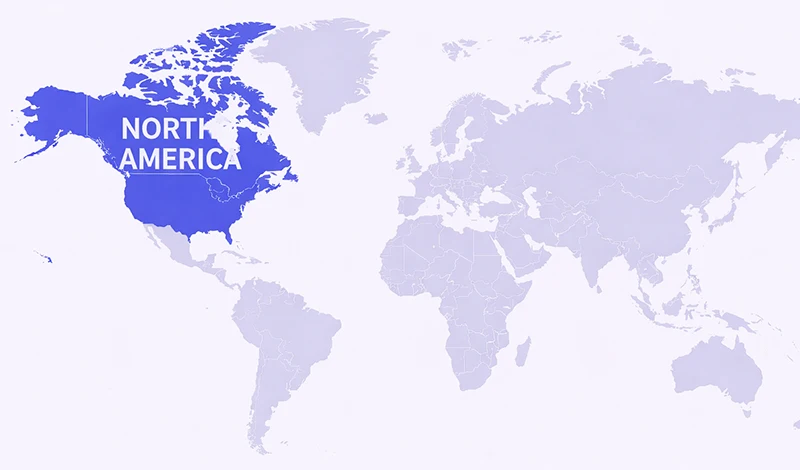
In the United States, online casinos are legal in some states but not others. Where it is permitted, players must use sites licensed by the state regulator and be physically located within that state, which is verified using geolocation technology.
Similarly, in Canada, some provinces offer their own local sites or licence private operators, though international sites may also accept Canadian players. It's crucial for players to check the specific regulations in their province. Across both countries, common payment methods include cards, bank transfers, and e-wallets, but processing rules can vary significantly by state or province.
Asia
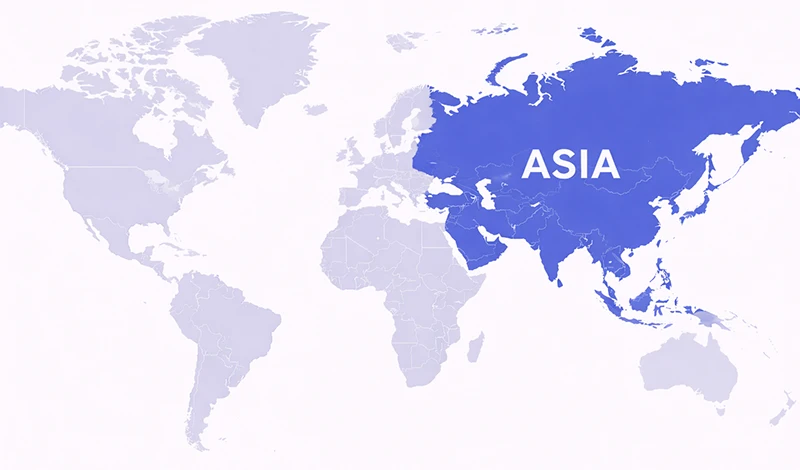
Asia presents a mixed landscape for online casinos. While some countries maintain strict bans, others allow tightly controlled markets. Consequently, many players often resort to using international sites, though their availability is entirely dependent on local laws. When permitted, common payment methods include e-wallets and bank transfers. However, it is always crucial for players to verify the licence status and local legality before engaging in any online gambling.
Australia and New Zealand
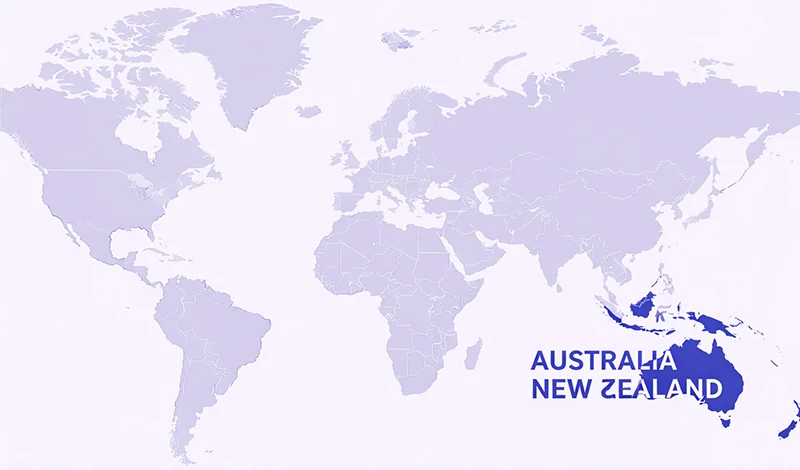
In Australia, online casino rules are complex and frequently restrict certain offerings, although sports betting tends to be more commonly regulated; therefore, players should check local laws carefully. Similarly, in New Zealand, residents may access offshore casinos, but local rules still apply, making it essential to look for recognized online casino licences and clear responsible gambling tools.
Middle East and Africa
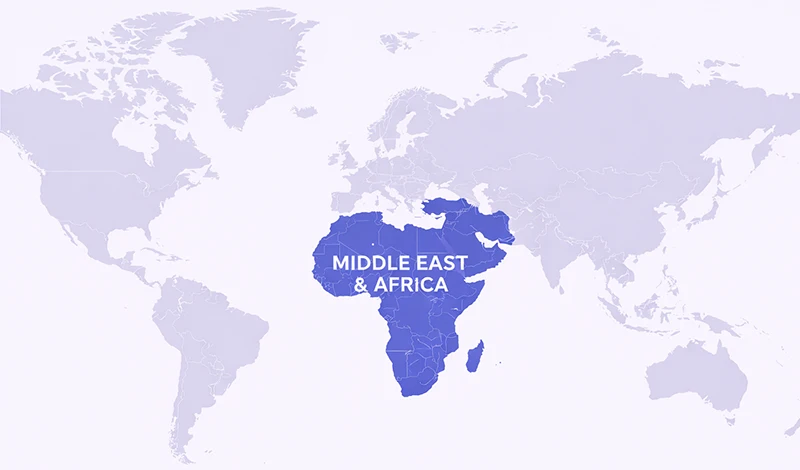
Regulations across the Middle East and Africa are highly varied; some nations strictly prohibit gambling, while others permit limited forms or are in the process of developing regulatory frameworks. In regions where local options are scarce, players often turn to international casinos, though the legality and safety of these platforms can differ significantly. Therefore, it is crucial for players to stick to sites regulated by recognized authorities and to carefully verify their licences.
Responsible Gambling in Licensed Casinos
Licensed online casino platforms must help you play safely. The tools work best when you use them from day one.
- Set limits early: Decide on your budget and time limits before you start.
- Track your play: Use reality checks and account history to stay aware.
- Take breaks: Time-outs help reset your mindset.
- Self-exclude if needed: Use self-exclusion to block access if gambling is harming you.
- Seek support: If gambling stops being fun, reach out to a helpline or counsellor in your area.
Collaborations with Responsible Gaming Organizations
Strong regulators encourage or require ties with trusted organizations that support safer play. This often involves providing direct links to free, confidential helplines and counselling services. Additionally, they may facilitate access to self-exclusion registers, which in some regions allow individuals to block themselves from numerous sites simultaneously.
Such collaborations also extend to offering educational resources, including guides that explain risks, odds, and how to set limits, and even fostering research partnerships to improve tools and policies over time. Ultimately, these partnerships enhance the entire system and provide an extra layer of protection for players.
Why Choose Licensed Casinos Online
A licensed online casino does more than put a logo in the footer. It changes how a casino must treat you. It turns promises into obligations and marketing into rules. With a licensed casino, you get:
- Fair games, tested by third parties.
- Secure payments and data protection.
- Clear terms and responsible bonuses.
- Real support and routes for complaints.
- Tools to stay in control of your play.
Conclusion
In 2026, the safest way to gamble online is simple: choose licensed casinos and verify every claim. Strong regulators like the UKGC, MGA, Gibraltar, and Curaçao enforce fairness, secure payments, responsible gambling tools, and clear dispute routes on mobile and web. Avoid unlicensed sites — there’s no real oversight or recourse. Before you play, confirm licence online casino details on the regulator’s website, read terms, check payment timelines, and test support. Combine these checks with independent casino reviews and your limits. When a licence turns promises into obligations, you protect your money and your play — so you can truly enjoy games with peace of mind.
FAQ
What Is The Most Trusted Licensed Online Casino?
There is no single “most trusted” site for everyone. Trust comes from the licence, the casino’s conduct, and your own checks. Look for a casino licensed by a recognized regulator, with clear terms, fair game testing, strong responsible gambling tools, and responsive support. Do the step-by-step licence check; if anything looks off, pick another site.
Can I Play At Licensed Casinos From Any Country?
Not always. Your location matters. Some licensed casinos can only accept players from certain places. Others have international licences but still block countries where local law forbids online gambling. Always check the site’s terms and your local rules.
Do Licensed Casinos Accept Cryptocurrency Payments?
Some do, if their licence and local laws allow it. Even then, they must follow the same safety and verification rules as with other payments. Before you deposit crypto, check that the casino lists supported coins, explains fees, and allows crypto withdrawals back to your wallet. If crypto is not listed or the terms are unclear, use another method.
How Do I Report Issues With A Licensed Casino?
First, contact the casino’s customer support and explain the problem clearly. Keep records of chats and emails. If you cannot resolve it, look for the dispute process on the casino’s site — many have steps for formal complaints. If that still fails, go to the regulator that issued the licence and file a complaint there. Use the licence number and company name from the regulator’s website to make your report.
How Can I Verify If An Online Casino Is Legally Licensed?
To verify a licence, first locate the licence information in the footer of the website. Then, click the licence seal or link to access the regulator’s website. On the regulator’s site, confirm the status, licence number, and domain, ensuring they match the company’s name and details. Finally, make sure the licence is active and that responsible gambling tools are present. If any step does not match, it is advised not to play there.