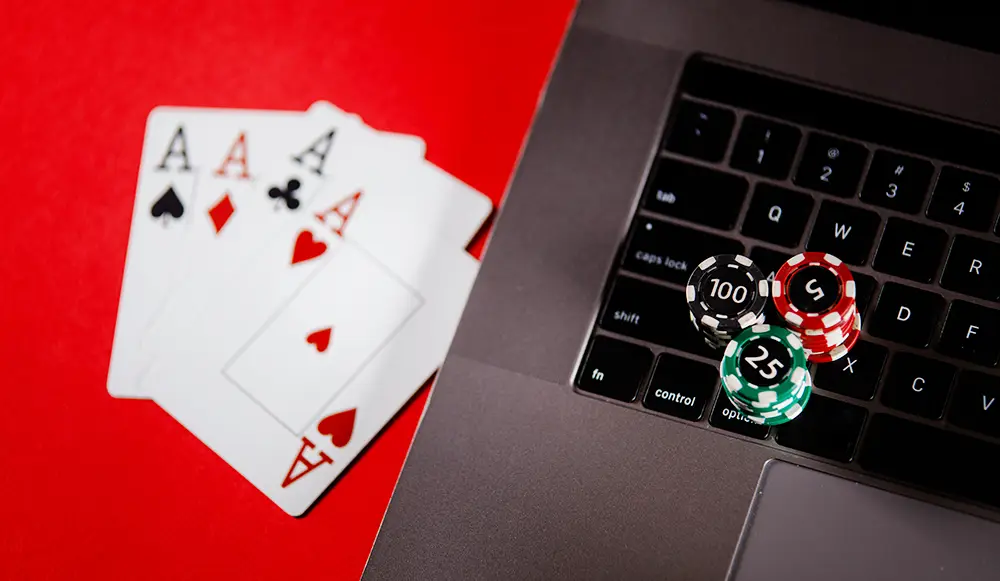

If you want to know how to win at real money poker, start with discipline, not luck. This guide focuses on decision quality, table awareness, and habits that protect your bankroll. Treat poker as skill-based entertainment and follow responsible gambling rules, including clear limits on time and spending. With steady practice, you can reduce costly mistakes and build results that hold up over many sessions.
Understanding the Basics Before You Try to Win
For online poker for beginners, the basics still decide most sessions. Learn hand rankings, how betting works, and what each position means. Keep your plan simple: play solid starting hands, bet when you think you are ahead, and fold when the story does not make sense. Many new players lose money by clicking too fast, so slow down and think through one decision at a time.
Poker Variants That Are Best for Winning Online
A good online poker strategy starts with picking a game you can understand quickly. The easiest choice is No-Limit Hold’em because you’ll find plenty of tables and learning material.
If you like the vibe of a casino online game, Hold’em still feels familiar and the rules are simple. Omaha can be exciting, but the swings are bigger and beginners often overplay pretty hands. Build confidence in Hold’em first, then branch out.
Cash Games vs Tournaments: What’s Easier to Beat
If you want the best poker strategy online with less stress, try cash games. You can leave anytime, reload if you lose a stack, and keep practising the same situations.
Tournaments can be fun and sometimes softer, but results jump around more. One bad spot can end your whole run, and the increasing blind pressure makes many players panic and shove too wide. Cash games are usually the smoother path while you learn.
Top 10 Online Poker Strategy Tips
These online poker tips are built for real online tables, where players act fast and you see more hands per hour. You do not need fancy tricks to improve, but you do need good habits that hold up every session. Focus on strong starting hands, smart aggression, and simple maths. Treat it like competitive gaming: review what went wrong, fix one leak at a time, and let consistency do the heavy lifting.
Tip #1: Play Fewer Hands, but Play Them Aggressively
In winning online poker, most losses come from playing too many weak hands. Fold more preflop, especially from early seats, and you will avoid hard spots with second-best pairs. This alone saves money and keeps your sessions calmer.
When you do enter a pot, play with purpose. Raise more often than you call, and bet your strong hands for value. This tight-aggressive style keeps you in control and makes opponents pay for mistakes. It also protects you when the board turns ugly and you need to let a hand go. Over time, your image improves, so your raises get more respect and your value hands get paid.
Tip #2: Learn Position and Use It to Your Advantage
Position is simple: acting later gives you more information. In an early position, play fewer hands because players behind you can wake up with strength and push you off your equity.
In a late position, you can open more hands and pressure tight players. The button is the best seat because you act last after the flop. Use that edge to win small pots, keep pot size manageable, and avoid guessing when you are unsure.
Tip #3: Master Basic Poker Math and Pot Odds
Poker maths does not need to be scary. Pot odds are just a quick check: are you paying a small price to win a bigger pot? If the call is cheap compared to what you can win, continuing can make sense.
Implied odds add one more idea. Sometimes you call now because you expect to win extra chips later when you hit. Do this mainly with hands that can make strong, hidden value, like sets or good draws. In this poker strategy guide, keep it practical: estimate, decide, move on.
Tip #4: Stop Bluffing Too Much Online
Online games punish fancy bluffs because many players simply do not like folding. They click call out of curiosity because they multitable, or because small bets feel “cheap” to them. That means your big story on the turn often gets paid off by a pair you thought you had scared away.
Bluff less and choose better spots. Bluff when the board clearly favours your range, and when your opponent has shown they can fold. Use smaller, cleaner bluffs and stop trying to “win it back” with one move. Save the big pressure lines for opponents who actually respect them.
Tip #5: Pay Attention to Betting Patterns
Most online reads come from actions, not faces. Watch bet sizes: some players bet small with weak hands and big with strong ones, while others do the opposite to look tricky. Over a few hands, patterns show up.
Timing also matters. Instant bets can be autopilot, while long tanks often mean a real decision. Do not treat it as a rule, but log it in your head. If you play enough hands against the same opponents at a table, these small clues help you avoid thin calls and pick better value bets.
Tip #6: Adjust Your Strategy to Player Types
Not every table plays the same. Loose, passive players (“fish”) call too much, so value bet bigger and bluff less. Tight players fold too often, so steal more blinds and apply pressure in position.
Regulars fight back and notice patterns. Against them, keep your lines balanced and avoid obvious habits. The goal is to win by choosing the right plan for each opponent, not by forcing one style. Think of it like picking the right approach across popular games: the rules are the same, but the players change everything.
Tip #7: Manage Your Bankroll Like a Pro
If you want to learn how to win poker online, protect your money first. Pick stakes you can handle without stress, so one bad session does not force you to chase losses. A simple rule is to move down as soon as losses start to affect your mood or decision-making.
Set clear stop-loss and stop-win limits and stick to them. Keep a separate poker balance and do not mix it with rent money. Also respect deposit limits if your gambling site offers them because they remove temptation on rough days. Bankroll control keeps you playing your best instead of playing scared.
Tip #8: Avoid Tilt and Emotional Decisions
Tilt usually starts with one trigger: a bad beat, a missed draw, or a player who keeps “getting there”. The next hands are where the real damage happens because you start calling too wide and bluffing out of anger.
Build a reset routine. Stand up, breathe, and take a short break after a big pot, even if you feel fine. Keep notes on what sets you off, then plan around it. If you treat poker like blackjack, where emotions do not change the odds, you will make calmer decisions. Do not gamble with your mindset.
Tip #9: Choose the Right Online Poker Tables
Good online table selection is a hidden edge. Look for tables with players who limp a lot, call too much, and do not 3-bet often. Those are usually softer games where value betting works.
If you play at an online casino, use the lobby tools: average pot size, players per flop, and waiting lists can all point you to easier spots. A quick casino review can also help you avoid rooms packed with tough regulars. The goal is simple: play where mistakes are common, and you are not the one making them.
Tip #10: Review Your Hands and Keep Improving
Progress comes from looking back, not just playing more. Save key hands, mark confusing spots, and review them when you are calm. One small leak fixed can be worth more than learning a new trick.
Use hand history to spot patterns: calling too much from the blinds, overvaluing top pair, or bluffing in bad spots. If you share hands with friends or a coach, be honest about your thought process. Poker tips for beginners work best when you build a habit of learning after every session.
Common Online Poker Mistakes That Kill Your Win Rate
Even strong players leak money online because habits slip when the pace is fast. Fixing a few common errors can lift your results more than learning new plays.
- Playing on autopilot. Multitabling or scrolling while you play makes you miss obvious value bets and folds.
- Calling “just to see”. Curiosity calls add up, especially versus players who rarely bluff.
- Ignoring stack sizes. You cannot play the same way with 30 big blinds and 150 big blinds.
- Chasing losses. After a bad run, many players top up too quickly and turn a small dip into a big one. Control your deposit choices and take breaks instead.
- Poor cashout planning. Some players win, then instantly change stakes or sessions because they feel “up”. Set rules for withdrawal timing and stick to them.
- Bad bluff targets. Bluffing players who hate folding burn money. Value bet them and move on.
- No notes, no review. If you do not track what opponents do, you repeat the same mistakes.
- Ego battles. Fighting one stubborn regular distracts you from the softer seats.
Treat each mistake as a checklist item and remove one at a time.
How Long Does It Take to Become Profitable at Online Poker?
The honest answer depends on your time, your game choice, and how you study. Some players become profitable in a few months, others need a year or more. The learning curve is real because online poker moves fast, and you face many more decisions per hour than in live games casino.
Set expectations around volume and improvement, not quick money. Track your results over a big sample because short runs can lie. Focus on one format, review hands weekly, and work on one leak at a time. Many players quit right before results turn because they confuse normal variance with failure.
Treat learning like a long project. If you play regularly, study a little, and keep emotions under control, profit becomes more likely than luck.
Final Thoughts: Is Winning at Online Poker Realistic?
Yes, winning online poker is realistic, but it is not a quick hack. You win by making slightly better decisions than your opponents, hand after hand, and by avoiding the same expensive mistakes. A steady routine beats rare bursts of inspiration.
Keep your mindset practical. Choose stakes that feel comfortable, quit when you are tired, and review hands so you do not repeat errors. Focus on solid value, good position, and simple maths. Do not chase losses, and do not try to prove anything to one player.
Treat bonuses as a side detail, not a reason to play badly. Some casino bonuses and bonus offers look tempting, but they can push you into higher volume or stakes you are not ready for. Consistency, patience, and discipline are what turn skill into long-term results.
FAQs
Can beginners really win at online poker?
Yes, but results come from basics and discipline. A welcome bonus or deposit bonus will not replace good decisions. Start small, play fewer hands, value bet more, and review sessions to fix repeating mistakes.
What is the best poker strategy for online games?
A simple, tight-aggressive online poker strategy works best. Play strong starting hands, raise more than you call, use position, and bet for value. Bluff less against callers and adjust when opponents change gears.
Is online poker harder than live poker?
Often yes, because the pace is faster and you face more regulars. Live play gives extra reads and slower action. Online can still be beatable if you study, select tables well, and stay consistent.
How much money do you need to start playing online poker?
Start with an amount you can lose without stress. Use a small first deposit and never chase losses. If you use a bonus code, treat it as extra value, not a reason to jump the stakes.