







I lost £400 in twenty minutes at a Big Six wheel before I understood why some casino games eat your bankroll faster than others. That night changed how I approach every casino floor. Game selection separates players who last from players who go broke.
Every casino builds in a mathematical edge, but that edge varies wildly depending on which game you sit down to play. Gambling will never favour the player long-term, yet smart game selection can shrink that gap to less than half a percent in some cases. Knowing which games offer the best odds helps you protect your money on the floor.
Understanding Casino Odds: House Edge vs. RTP
Two numbers determine whether a casino game deserves your time: house edge and return to player. House edge is the percentage of every bet a casino keeps over the long run. Return to player, or RTP, is simply the flip side: 100% minus the house edge equals RTP.
A slot machine with a 92% RTP carries an 8% house edge. A blackjack table with a 99.5% RTP carries just 0.5%. Gambling mathematics builds every casino game around this relationship, letting you compare games instantly whether you stand at a physical table or scroll through an online lobby.
| Game | House Edge | RTP |
|---|---|---|
| Blackjack (basic strategy) | 0.5% | 99.5% |
| Craps (odds bet) | 0% | 100% |
| Baccarat (banker) | 1.06% | 98.94% |
| European Roulette | 2.7% | 97.3% |
| Slots (average) | 2-15% | 85-98% |
Casino Odds & Volatility/Variance Explained
Volatility describes how often a casino game pays out versus how large those payouts are. I learned this after spending hours on high-volatility slots with nothing to show for it, then moving to a low-volatility blackjack table that delivered steady, modest wins all evening.
High-volatility games like slots or keno pay out rarely, but offer larger sums. Low-volatility options like blackjack hand out smaller wins on a regular basis. Neither approach is wrong, but knowing your tolerance for dry spells dictates which games you should pick.
How Casino Odds Are Calculated
Every casino odds figure traces back to probability. Gambling mathematics calculates the exact chance of each outcome, then sets payouts slightly below true odds to guarantee the house edge.
Adjusting a single rule, such as how a dealer handles soft 17, shifts the maths. This is why seemingly minor rule variations can move house edge by 0.2% or more, turning a strong option into a mediocre one.
Blackjack: The King of Good Odds
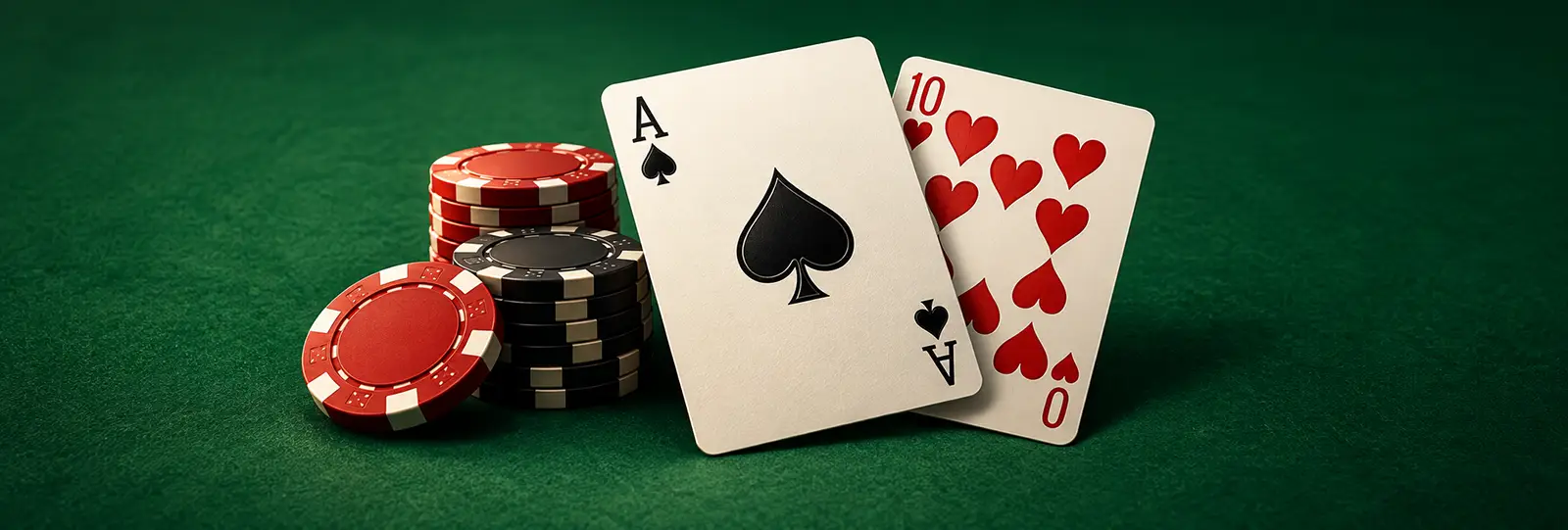
No table game rewards skill quite like blackjack. Play with proper basic strategy, and the house edge drops to around 0.5%, among the lowest of any casino game in existence.
I remember my first session using a strategy card instead of guessing. My losses slowed to a crawl, and a few sessions actually finished ahead. Basic strategy isn't reserved for professionals; it's a printed chart anyone can follow, telling you exactly when to hit, stand, split, or double down based on your hand and the dealer's upcard.
Card counting takes things further by tracking which cards remain in the deck, but it demands serious practice and isn't necessary for solid results. Basic strategy alone puts you closer to even money than almost any other game on the floor.
- Always split aces and eights
- Never split tens or fives
- Double down on 11 against most dealer upcards
- Stand on hard 17 or higher
- Hit on hard 12 against a dealer's 2 or 3
Blackjack Rule Variations That Matter
Not all blackjack tables are equal. A game where the dealer hits soft 17 costs you roughly 0.2% more than one where the dealer stands. Fewer decks generally favour players; single-deck games can shave the edge down further, assuming other rules stay favourable.
- Favourable. Dealer stands on soft 17, doubling allowed after splits, single or double deck
- Unfavourable. Dealer hits soft 17, blackjack pays 6:5 instead of 3:2, no doubling after splits
I scan the table before sitting down. If I see "Blackjack pays 6:5," I walk away. That single rule alone can add over 1% to the house edge.



The Hidden Cost of Side Bets
While the main blackjack game offers excellent odds, the optional side bets you see at many tables are a different story entirely. Wagers like '21+3' or 'Perfect Pairs' carry a much higher house edge, often ranging from 3% to over 7%. For example, the popular '21+3' bet often has a house edge around 3.7%, while the 'Perfect Pairs' bet is typically around 4.1%. The 'Insurance' bet is one of the most common and carries a steep house edge of approximately 7.4%.
They offer tempting payouts for specific card combinations, but the probability of hitting them is low. I treat these as separate, high-risk propositions. They might add a brief moment of excitement, but they consistently erode a bankroll faster than the base game.
Simple Moves That Improve Your Odds
A handful of decisions account for most of blackjack's favourable maths. I never deviate from these regardless of how a session feels emotionally.
- Split aces and eights every time
- Double down on 11 against dealer 2-10
- Stand on 12 against dealer 4-6
- Never take insurance
- Surrender hard 16 against dealer 9, 10, or ace when available
Each move exists because probability favours it over thousands of hands. Insurance feels tempting, but it is a sucker bet dressed up as protection.




Craps: Finding the Smart Bets
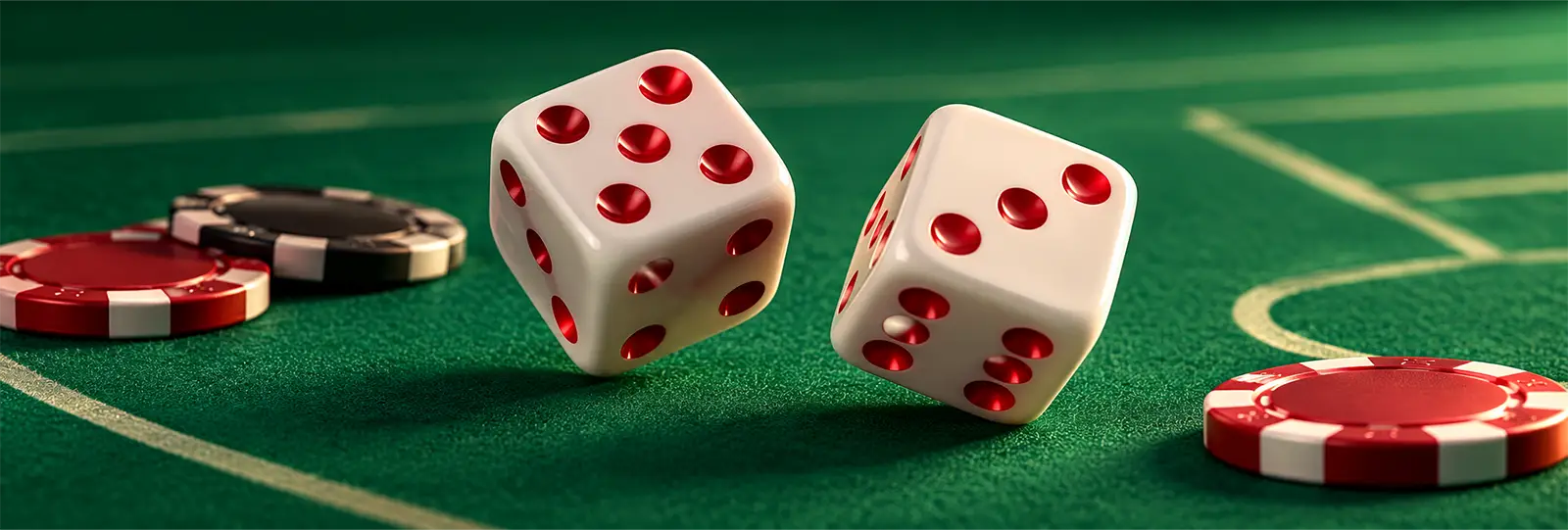
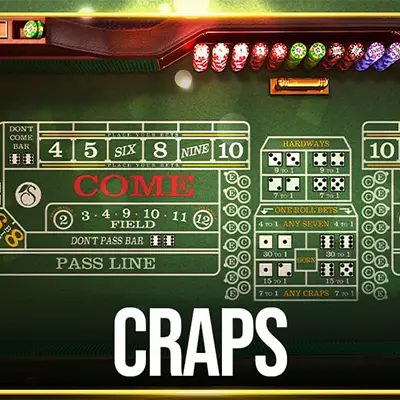
Craps intimidated me for years because of the noisy crowds, complex layout, and dozens of unfamiliar betting spots. Then I learned about odds bets, and everything changed.
Odds bets are the only wager in any casino offering a true 0% house edge. You place them after a Pass Line or Don't Pass bet establishes a point, and the casino pays you at true mathematical odds with zero built-in advantage. Nowhere else on the floor will you find fairness like this.
| Bet Type | House Edge |
|---|---|
| Pass Line | 1.41% |
| Odds Bet | 0% |
| Field Bet | 2.7-5.5% |
| Any Seven | 16.9% |
The Magic of Odds Bets in Craps
Once you place a Pass Line bet and a point is set, you can back it with an odds bet that pays true odds without any house cut. Casinos allow this because the Pass Line bet itself still carries their edge; the odds bet is essentially a fair side wager they tolerate for game appeal.
Casinos typically cap odds bets at 3x-4x-5x your original wager, though some offer 5x or even 10x. I once turned a modest £10 Pass Line bet into a £60 combined wager using maximum odds, and it paid off during a hot shooter's run I still talk about.
- 3-4-5x odds. Standard at most physical casinos
- 5x odds. Available at select properties
- 10x odds. Rare, but offered at a handful of venues
Simple Moves to Maximise your Craps Odds
My craps strategy stays simple: Pass Line bet, then maximum odds every time. I skip proposition bets entirely. Wagers like Any Seven or Hard Ways carry house edges above 11%, sometimes exceeding 16%.
I've watched players at the same table chase Hard Way bets after every roll, cheering occasional wins while steadily bleeding money. Sticking to Pass Line plus odds keeps my effective house edge under 1%, and that discipline pays off over a full session.





Baccarat: Simple Rules, Favorable Odds
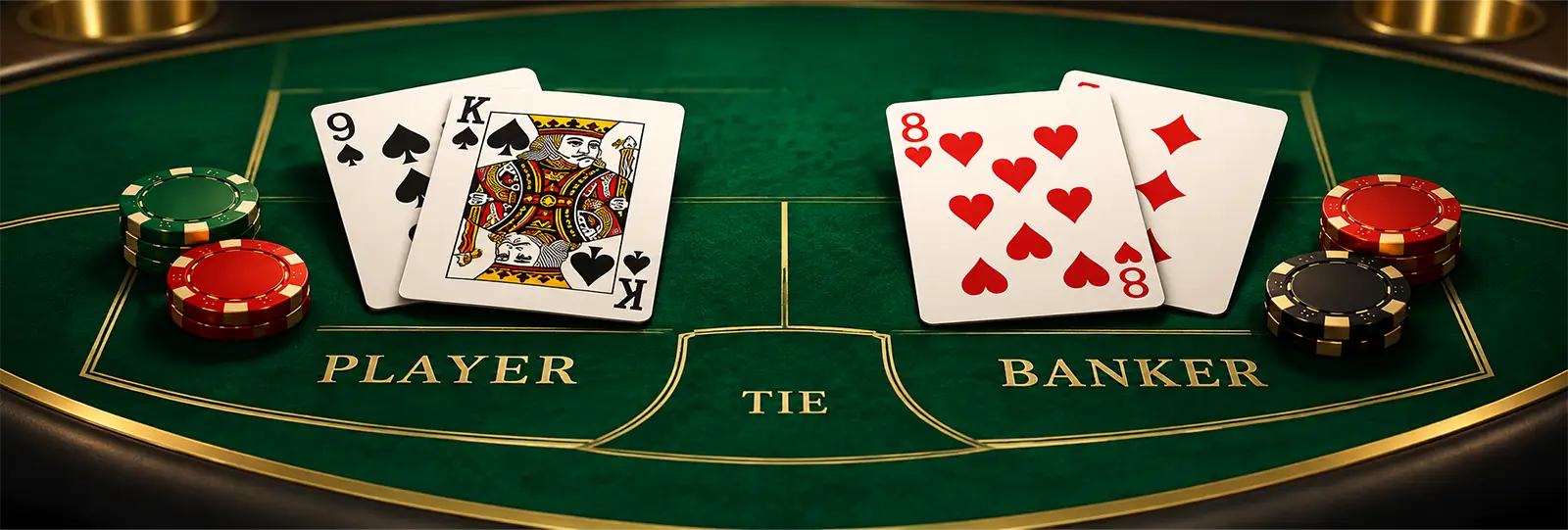
Baccarat carries a high-roller reputation, but the odds are accessible to anyone. The Banker bet carries just a 1.06% house edge, making it one of the strongest wagers in any casino.
The Player bet isn't far behind at 1.24%. The Tie bet, however, is a trap. Despite paying 8:1 or 9:1, it carries a house edge north of 14%. I ignore it completely, no matter how tempting the payout looks.
| Bet | House Edge |
|---|---|
| Banker | 1.06% |
| Player | 1.24% |
| Tie | 14.36% |
Baccarat requires no real decisions once you pick your bet because cards play out according to fixed rules. I skip the scorecards and pattern-tracking rituals other players swear by; they don't affect outcomes because each hand is independent of the last.
Simple Moves to Maximise your Baccarat Bets
My baccarat approach relies on a single rule: bet Banker every hand without exception. I don't chase patterns or switch based on recent results.
- Always bet Banker for the lowest house edge
- Skip the Tie bet regardless of payout size
- Ignore scorecards and supposed trends
- Set a session budget before sitting down
- Walk away after reaching a set win or loss limit
One session, I stuck to Banker for two hours straight while a neighbouring player chased Tie bets and cleared out their stack in twenty minutes. Simple consistency wins over flashy systems.





Video Poker: The Thinking Player's Slot Machine
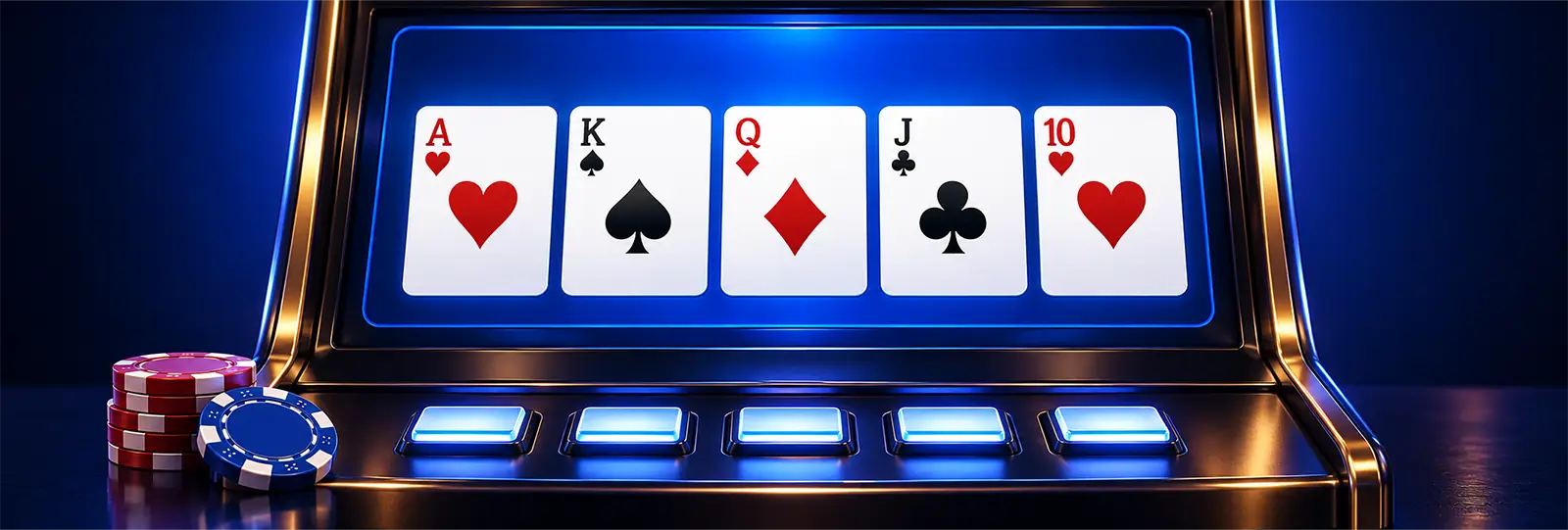
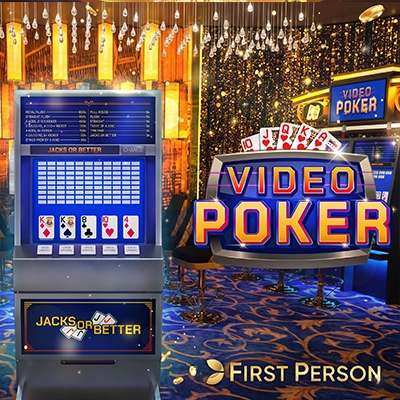
Video poker bridges the gap between slot machine simplicity and poker strategy. Full-pay Jacks or Better, played with correct strategy, returns 99.54%, rivalling blackjack for the best odds in the building.
I switched from traditional slots to video poker years ago after realising how much control the game offers. Unlike spinning reels, video poker rewards study. Learn the optimal strategy for holding and discarding cards, and your return to player climbs dramatically compared to random slot spins.
| Variant | Max RTP |
|---|---|
| 9/6 Jacks or Better | 99.54% |
| Full-Pay Deuces Wild | 100.76% |
| 10/7 Double Bonus | 100.17% |
Finding the Best Video Poker Machines
The pay table tells you everything. "9/6 Jacks or Better" means a full house pays 9 coins and a flush pays 6 coins per unit bet, which is the full-pay version. Drop to "8/5," and the RTP falls by over a full percentage point.
Casinos have quietly reduced payouts on many machines over the decades, so I check every pay table before inserting cash. Online platforms often still offer full-pay versions that have disappeared from many physical casino floors.




Simple Moves to Maximise your Video Poker Bets
I never sit down without knowing the strategy chart for whatever variant I sit down to play. Jacks or Better and Deuces Wild require different decisions entirely.
- Verify the pay table before playing
- Play maximum coins to qualify for jackpot payouts
- Use a strategy chart specific to the game variant
- Avoid machines with reduced full house or flush payouts
- Practise on free versions before wagering real money
Following strategy precisely once turned a routine session into a four-of-a-kind hit that covered my entire trip's expenses.
Roulette: Choosing the Right Wheel
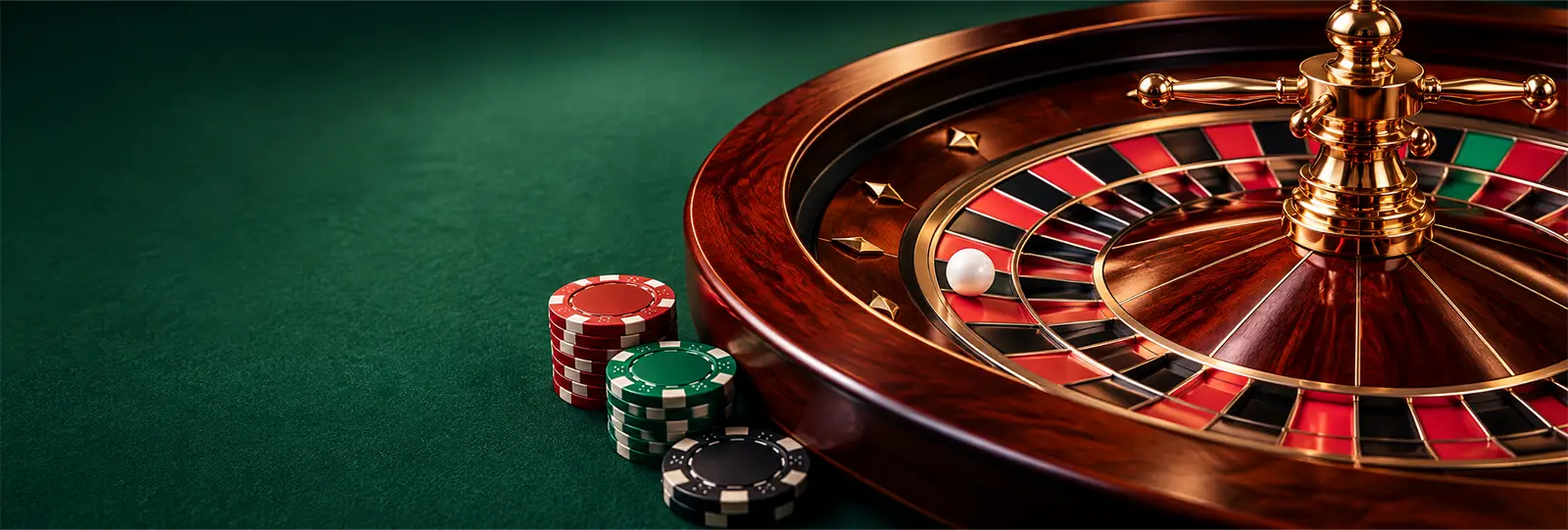
Roulette odds depend almost entirely on which wheel you choose. European roulette carries a 2.7% house edge with its single zero. American roulette, with its extra double-zero pocket, nearly doubles that to 5.26%.
French roulette often includes the la partage rule, returning half your even-money bet if the ball lands on zero, effectively cutting the house edge to 1.35% on those specific bets. I actively seek out European or French tables and skip American wheels whenever possible.
| Variation | House Edge |
|---|---|
| American Roulette | 5.26% |
| European Roulette | 2.70% |
| French Roulette (la partage) | 1.35% |
I've watched players sit at American wheels without realising a European table was available thirty feet away, unknowingly accepting nearly double the house edge for no benefit.


Simple Moves to Maximise your Roulette Bets
Wheel selection matters more than any betting system. I avoid Martingale and similar progressive systems entirely. They do not change the underlying odds and can drain a bankroll fast during a losing streak.
- Choose European over American roulette whenever available
- Look specifically for la partage or en prison rules
- Stick to outside bets for more frequent, smaller wins
- Set a loss limit before you start spinning
Switching permanently to European tables improved my long-term results more than any strategy I'd tried previously.
What About Poker? Player vs. Player Games
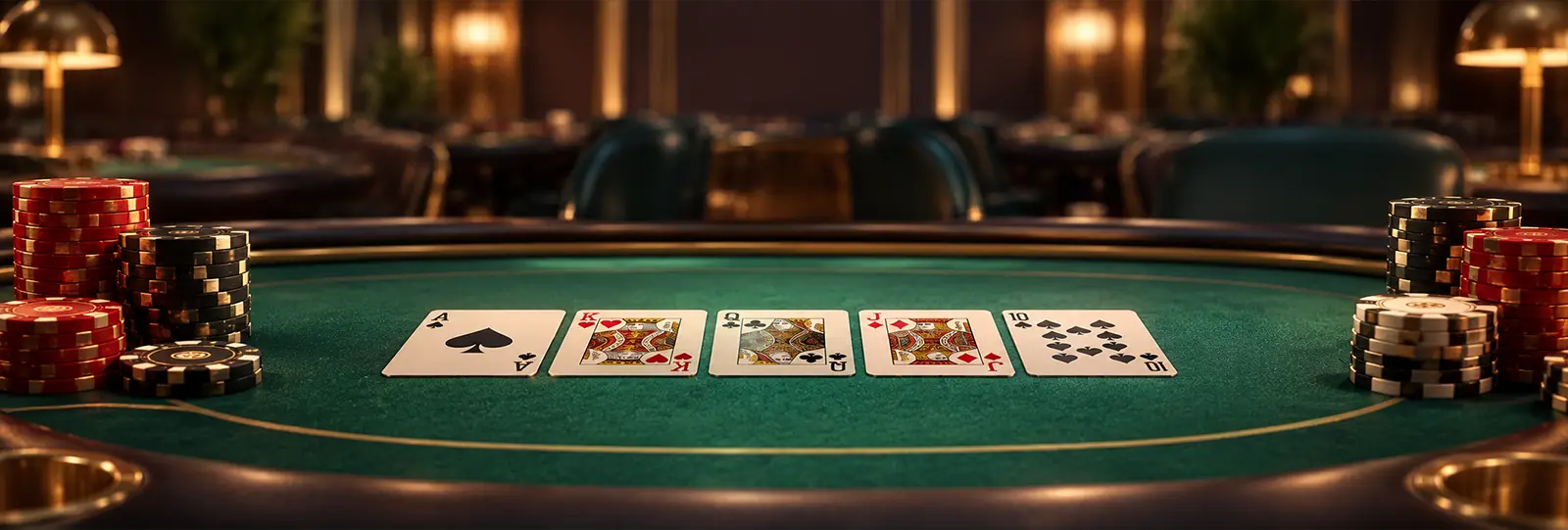
Games like Texas Hold'em and Omaha sit in a separate category because you compete against other players rather than the house. The casino takes a small cut of each pot, called the rake, rather than relying on a mathematical edge in the rules. Your long-term results depend on your skill relative to the rest of the table. With enough practice and study, a strong player can gain a consistent edge over time.
Many casinos offer table games based on poker where you play against the dealer rather than other players. These games have a fixed house edge, unlike traditional poker.
- Three Card Poker: This popular game has a house edge of around 3.37% on the main ante-and-play bet. It also features a 'Pair Plus' side bet, which is independent of the dealer's hand but carries a higher house edge.
- Caribbean Stud Poker: In this variant, players make an ante bet and decide whether to raise or fold after seeing their cards. The house edge is typically around 5.22%, making it a less favourable option than games like blackjack or baccarat.

Games to Avoid: Worst Odds in the Casino
Some casino games carry house edges so steep they barely offer entertainment value. Keno regularly runs a house edge above 25%, making it one of the worst choices on the floor.
The Big Six wheel is similarly unforgiving, carrying edges between 11% and 24% depending on the specific bet. Many slot machines, particularly penny slots and progressive jackpot titles, sit well above 10% as well.
| Game | Typical House Edge |
|---|---|
| Keno | 25-35% |
| Big Six Wheel | 11-24% |
| Slots (low-end) | 10-20% |
Worst Bets at a Glance
Some of the least favourable bets sit hidden inside otherwise good games. The house edge on these side options can be startlingly high compared to the main wager.
| Bet Type | Game | Typical House Edge |
|---|---|---|
| Tie Bet | Baccarat | ~14.4% |
| Insurance | Blackjack | ~7.4% |
| Any Seven | Craps | ~16.9% |
| Proposition Bets | Craps | 9-17% |
| Big Six Wheel | Standalone | 11-24% |
I watched a tourist drop £200 at a Big Six wheel in under ten minutes once, still smiling because the wheel looked fun. It is fun; you just need to know the odds going in.
What About Slots?
Slot machine odds vary enormously, from under 85% RTP to above 98% depending on the machine and location. Online slots generally offer better return to player figures than physical casino slots because digital platforms carry lower overhead costs.
Progressive jackpot slots pull their RTP down further since a chunk of every bet feeds the growing jackpot pool. I play slots occasionally for entertainment, but I treat them as pure chance since no strategy changes the outcome.






Strategies to Maximise Your Winning Potential
Beyond choosing the right games, disciplined bankroll management separates players who enjoy long sessions from those who go broke in an hour. I set a fixed amount before walking onto any casino floor and never chase losses beyond that number.
Comps matter too. Casinos reward consistent, tracked play with free meals, rooms, or show tickets, which helps offset some of your losses. I always use my player's card, even for smaller sessions, because those rewards add real value over time.
- Set a session bankroll and stick to it
- Learn optimal strategy before playing skill-based games
- Use your player's card for comp tracking
- Take breaks to avoid emotional decisions
- Walk away after hitting predetermined win or loss limits
- Control your pace of play
A gambling bankroll is drained fastest by a few common mistakes, chief among which is chasing losses by increasing stakes. This is further compounded by ignoring paytables and rule variations, as well as placing blind faith in hot streaks or the notion that a specific number is 'due'.
Avoid Fast Play: Another common mistake is playing too quickly; more hands or spins per hour means more exposure to the house edge, which drains a bankroll faster over the same time period.
How Can You Play Smarter?
I view gambling strictly as entertainment. That mindset shift changed how I approach every session. I play for enjoyment, using strategy as a tool to extend my playing time rather than guarantee profit.
Preparation matters more than people realise. Before any trip, I review basic strategy charts, set firm limits, and decide which games I'll actually play based on their odds. Five minutes of prep saves you from impulsive decisions at tables you haven't researched.
Online Casinos: Finding the Best Odds from Home
Online platforms frequently offer better return to player percentages than physical venues because digital operations carry lower overhead with no physical real estate and fewer staff.
We evaluated online blackjack and video poker games and found RTPs matching or exceeding the best physical tables available. Licensed platforms undergo regular audits from gambling commissions to ensure fair play. Using free practice modes lets you sharpen your strategy before wagering actual cash.
- Look for licensing from recognised gambling commissions
- Check published RTP percentages before playing
- Use free practice modes to build strategy skills
- Read independent reviews before depositing funds
Where to Play Casino Games with Good Odds Online
Real money online casinos offer actual cash wagering subject to local gambling laws. Social casinos let you play with virtual currency purely for fun, with no cash prizes involved.
Sweepstakes casinos occupy a middle ground, legal in many regions where traditional online gambling is restricted, using a sweepstakes model to award prizes. I use social platforms for practice and, when I want to play for real money at live casinos in Australia, I look for a licensed, regulated site.
| Platform Type | Real Money? | Legal Status |
|---|---|---|
| Traditional Online Casino | Yes | Varies by jurisdiction |
| Social Casino | No | Widely legal |
| Sweepstakes Casino | Prize-based | Legal in many restricted states |
Responsible Gambling: Keeping the Fun in the Game
Every strategy in this guide assumes you gamble strictly within your means. Responsible play means treating your bankroll as an entertainment budget and stopping as soon as you hit your limit, win or lose.
Problem gambling often starts quietly by chasing losses or staying past planned limits. I set firm boundaries before every session and walk away as soon as I hit them, regardless of how well the cards are running.
- Set time and money limits before playing
- Never gamble to recover previous losses
- Take regular breaks during sessions
- Recognise when gambling stops feeling fun

Conclusion: Knowledge Is Your Best Bet
Every casino builds in a house edge. That fact never changes. What changes is how much of that edge you hand over based on the games you pick and the decisions you make at the table.
Since I started applying basic strategy at blackjack and hunting for odds bets at craps, my sessions last longer and feel far more rewarding. Gambling improves dramatically once you understand the maths behind it. Choose your games wisely, and the house edge becomes a much smaller obstacle standing between you and a good time.
Casino Games with Best Odds FAQ
What casino game has the best odds of winning?
Blackjack with proper basic strategy offers roughly a 0.5% house edge, among the lowest of any casino game. Craps odds bets technically offer 0%, but they require an initial Pass Line wager to access.
How is Return to Player (RTP) different from house edge?
RTP and house edge are inverses that always add up to 100%. A game with 97% RTP carries a 3% house edge. Higher RTP means better odds for players.
Can I use strategies to improve my odds of winning casino games?
Yes. In skill-based games like blackjack and video poker, basic strategy significantly reduces the house edge. Pure chance games like slots and roulette don’t respond to strategy the same way.
Is card counting in blackjack legal, and how does it impact the odds?
Card counting is legal but frowned upon by casinos, which can ask counters to leave. It can shift the odds slightly in the player’s favour by tracking high and low cards remaining in the deck.
What are the worst odds (high house edge) casino games?
Keno often carries a house edge above 25%. The Big Six wheel and many slot machines, especially penny slots, also carry high edges, sometimes exceeding 15%.
What are the odds of winning Blackjack?
With basic strategy, the house edge sits around 0.5%, meaning players win close to 49.75% of hands on average, excluding pushes.
Are there any casino games where skilled players can gain a mathematical advantage?
Card counting in blackjack and certain video poker variants with promotional pay tables can occasionally shift the mathematical edge toward the player, though this is rare and requires significant skill.
How do "odds bets" in craps offer a 0% house edge?
Odds bets pay at true mathematical odds with no built-in casino advantage, unlike the Pass Line bet that enables them. Casinos allow this as a perk since the Pass Line itself still carries their edge.
Do online casino games have better odds than in-person casino games?
Often yes. Online casinos have lower overhead costs, letting them offer higher RTP percentages on slots, video poker, and other games compared to physical locations.
How do comps and player rewards affect the effective house edge?
Comps like free meals, rooms, or show tickets offset some losses, effectively lowering your real-world house edge without changing the game’s actual mathematical odds.
Should I play high or low volatility games?
This depends entirely on your bankroll and tolerance for risk. Low-volatility games like blackjack provide frequent, smaller wins, which can make a limited bankroll last longer. High-volatility games like progressive slots pay out infrequently, but the wins can be substantial. If you have a larger bankroll and play for a massive jackpot, high volatility might suit you. For most players seeking to maximise playing time, low-volatility games are the sustainable choice.


 2,500x multipliers and explosive tumbles are here. Read our review & grab your bonus!