Best Online Blackjack Casinos – Play Blackjack Online

Blackjack is one of the few casino games online where player decisions genuinely shape the outcome. This, however, also makes it easy for a session to go wrong. Rules vary by table, available variations depend on the chosen online blackjack casino, payout rates can change the maths in a big way, and features like side bets or auto-play can quietly increase risk if you do not understand what they do to the house edge. Most importantly, if you don’t know what the best action is for every hand, your long-term returns are almost guaranteed to suffer.

This guide is built to make online blackjack clearer and more approachable for players. We will explain how the game works in digital form, which variants you are likely to see, and which rule details are worth checking before you place a bet. 

You will also find practical sections on card values, the flow of a hand, how pushes work, and why payouts like 3:2 matter more than most players realise. At the end, we will break down odds, house edge, useful habits, and provide a basic strategy that can help you avoid costly mistakes and increase your long-term returns. To make it easier to transition from theory to practice, we will also give you a list of the best blackjack online casinos, with each member of the chart extensively evaluated by LiveCasinoComparer’s experts.

Welcome Bonus
200% up to 115000 INR + 150 FS
Read Review
Welcome Bonus
200% up to ₹100,000 + 500 FS
Read Review

What is Online Blackjack and How Does it Work?

Blackjack

Online blackjack is a digital version of the table game where you aim to beat the dealer’s hand without going over 21. You are not trying to outscore other players. Each round starts with you placing a stake, then receiving two cards. The dealer is also dealt two cards, with one usually shown face up and the other kept hidden. You then choose what you want to do from a few core actions, such as hit, stand, double down, or split. Specific options depend on your and the dealer’s hands and the table rules, but more on that later. 

If you or the dealer is lucky enough to get a natural blackjack from the first two cards, the round results are usually decided immediately, except when you’re offered insurance.

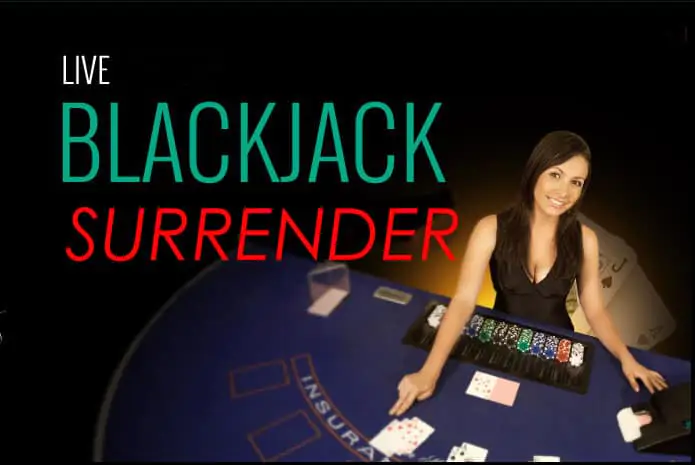
Most casino online blackjack tables fall into two formats. RNG blackjack uses a certified random number generator to deal cards instantly, so rounds move quickly, and you can often adjust speed settings. Live dealer blackjack streams a real table from a studio, with a human dealer and real cards. Your decisions are still made by tapping buttons, and results appear on screen in real time.

Behind the scenes, the rules of the table you select matter as much as your choices. Key details include the number of decks, whether the dealer stands on soft 17, and the blackjack payout (3:2 or 6:5). These settings shape the house edge before you make a single decision.

Online Blackjack Game Variations Explained

Online blackjack is not a single ruleset. Variants can change what the dealer does, how many decks are used, how many hands you can run at once, and which options you get on hands like splits and doubles. Below are four common versions you will see online, along with what makes each one distinct.

Classic Blackjack

Classic blackjack is the standard format most players learn first, and it is usually the baseline ruleset against which other variants are compared. You receive two cards, the dealer shows one upcard, and you then can decide how to play the hand using hit, stand, double down, split, or surrender (if available). Many online tables use 6 or 8 decks, and the dealer hits or stands on soft 17 depending on the game settings. For the record, you should favour tables with fewer decks and where the dealer stands on soft 17.

The most important detail to check is the natural blackjack payout. A 3:2 payout keeps the maths closer to traditional casino blackjack and its famous 99.5% RTP when played correctly, while 6:5 increases the house edge and reduces the value of naturals (2-card blackjacks).

Notably, many classic tables also offer insurance when the dealer shows an Ace. This is a separate side bet that is usually priced at 50% of your stake and pays 2:1 if the dealer has blackjack. Other side bets are relatively rarer, which helps keep classic blackjack simpler.

Live Dealer Blackjack

Live dealer blackjack features real cards and a human dealer streamed from a studio, so the pace and feel are much closer to a physical table. Most tables also include a live chat, letting you talk with other players and the dealer.

As live blackjack is more of a game format and not a rule-based variation, you can find many different game versions that have “live” attached to them. Fortunately, most blackjack games maintain the core ideas, actions, and rules, so you won’t struggle too much. When picking suitable tables, you can use the same parameters as for classic blackjack.

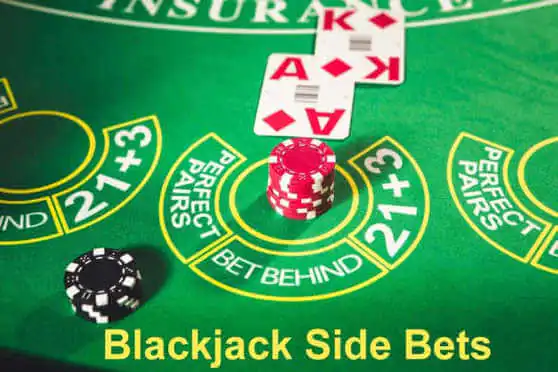
The main difference between live and RNG blackjack is the table flow. You’re usually playing alongside other participants, so live rounds run longer than in RNG blackjack, even though the underlying strategy is the same. Many live tables also offer side bets such as Perfect Pairs or 21+3, and insurance is commonly available when the dealer shows an Ace.

European Blackjack

European blackjack is defined by one key rule difference: the dealer does not take a hole card at the start. The dealer receives one upcard, while the second card is only drawn after players have completed their decisions. This changes the risk on doubles and splits, because you can commit extra money without knowing if the dealer already has blackjack.

Some European tables use two decks in land-based casinos, but online versions are often offered with more, so it is worth checking the deck count and the payout. You should look for tables with fewer than 8 decks, where the dealer stands on soft 17, and blackjack pays 3:2. European blackjack also commonly limits late surrender, and rules around doubling after splitting can vary. Insurance appears much less often than in classic formats, since the dealer’s blackjack is not checked in the same way at the start of the hand.

Multi-Hand Blackjack

Multi-hand blackjack lets you play several hands at once, with the limit usually ranging from two to five hands per round. Each hand has its own stake, so you can vary bet size or play decisions across hands, even when the starting cards are similar. 

Most multi-hand versions are RNG tables, which keeps the pace fast and can push the number of rounds you play per hour noticeably higher than a single-hand game. But there are also plenty of live versions, if you enjoy the atmosphere they offer.

Rules are often close to classic blackjack, so the same details still matter. What changes is your exposure. Playing three $5 hands means you’re risking $15 each round, so your wins and losses can swing more, and you’ll need a bigger bankroll to handle it. 

Read Review

How We Evaluate the Best Online Blackjack Sites

Even when blackjack rules look similar, the playing experience can differ a lot between online blackjack sites. Our evaluation focuses on what affects blackjack players most, from table quality and software reliability to mobile performance and safety standards. Here is what we look at when rating blackjack-friendly casinos.

Blackjack

Blackjack Game Quality and Variety

A strong blackjack casino online offers more than one generic table. Variety should include standard RNG blackjack, at least one live dealer option, and a spread of rule sets like European-style no-hole-card games or multi-hand tables. Quality also shows in the details: clear rule cards, visible deck count, and player-friendly payouts like 3:2 instead of 6:5. Table limits matter too, since a sensible range of minimum and maximum bets lets players manage bankroll properly. Extra features like statistics panels or hand history are useful, but only if they do not distract from decision-making.

Software

Blackjack Software and Providers

Software quality affects fairness, speed, and how easy it is to follow the action. For RNG blackjack games online, we look for stable performance and transparent game information, including deck count, payout, and rules on soft 17, splits, doubles, and surrender. For live blackjack, video quality and low delay matter, since slow streams can turn a smooth session into a frustrating one. Provider reputation also counts. Established studios and developers like Evolution Gaming and Pragmatic Play Live tend to offer better table interfaces, clearer rule displays, and a wider choice of blackjack online games and side bets.

Mobile

Mobile Blackjack Experience

Mobile play should feel like blackjack, not like fighting a cramped interface. We check that tables load quickly on both iOS and Android, with buttons that are easy to hit and a layout that keeps the dealer upcard, your total, and available actions visible at all times. A good mobile setup also makes key rules easy to open mid-session. For RNG blackjack, smooth performance matters because it affects how quickly rounds resolve. For live dealer blackjack, we look for stable streaming on mobile data and Wi-Fi, plus options like adjustable video quality and simple chat controls.

Security

Security, Licensing, and Responsible Gambling

Security is non-negotiable when playing blackjack real money. We look for sites that use modern encryption for payments and personal data, and that operate under a recognised gambling licence, such as CGA, UKGC, or MGA, with clear terms for withdrawals and account verification. Just as important are responsible gambling tools that players can actually use, including deposit limits, loss limits, session reminders, cooling-off periods, and self-exclusion options. A reliable online blackjack games casino also makes support easy to reach if something goes wrong, and handles complaints and disputes through a clear, structured process rather than vague promises.

Essential Blackjack Rules Every Player Should Know

Blackjack looks simple on the surface, but small rule details decide a lot of the long-term maths. Before getting into strategy, it helps to understand the core building blocks, from card values and hand flow to what happens on ties. Below, you will find exactly that.

Blackjack Card Values Explained

In a casino blackjack game, number cards count as their face value, so a 7 is worth seven points and a 10 is worth ten. All picture, or “face”, cards (Jack, Queen, King) also count as 10, which is why 10-value cards make up a large share of the deck. The Ace is the only flexible card. It can count as 1 or 11, depending on what benefits your hand most without going over 21. A hand that includes an Ace counted as 11 is called a soft hand, such as Ace-6 for soft 17. If taking another card would force the Ace to drop to 1, the hand becomes hard, which changes the best play in many situations.

How a Blackjack Game Is Played

A blackjack hand starts once you place your bet. In the classic version of the game, you receive two cards, and the dealer also receives two, with one card shown as the upcard. If you are dealt a natural blackjack, meaning an Ace and a 10-value card, the hand is usually over immediately unless the dealer can match it. When the dealer shows an Ace, many tables offer insurance at this stage, which is a separate wager on the dealer having blackjack.

If there is no natural, you decide how to play your hand. You can hit to take another card, stand to keep your total, double down to double your stake and take one more card, or split if you have a pair, creating two separate hands with their own bets. Some tables also allow surrender, letting you give up the hand and get half your stake back.

After all players finish, the dealer completes their hand under fixed rules, typically drawing to 17 and then standing. If your total is higher than the dealer’s without busting, you win. If you bust, you lose regardless of what the dealer does.

Ties and Pushes: Same Hand Value as the Dealer

When you and the dealer finish on the same total, according to classic rules, the result is a push, meaning the hand is a tie and your original stake is returned. The most common pushes happen on totals like 17 through 20, especially in multi-deck games where 10-value cards are frequent. There is one important nuance to understand. If you have a natural blackjack and the dealer also has blackjack, the hand is still a push. But if you reach 21 with three or more cards and the dealer has a natural, the dealer wins, since a two-card blackjack beats a regular 21.

Blackjack Payouts and Odds Explained

Blackjack payouts are straightforward once you separate the main bet from optional extras. A winning hand, according to standard rules, pays 1:1, so a win on a $10 bet returns $10 profit plus your stake. If you lose, you lose the stake. A push returns the stake with no profit or loss.

The headline payout is for a natural blackjack. On better tables, it pays 3:2, meaning a $10 blackjack returns $15 profit. Some tables pay 6:5, which would return $12 profit from the same $10 bet. That difference adds up quickly. Over 100 naturals, the gap is $300. A natural blackjack isn’t rare, either. The chance of being dealt one is about 4.8% in single-deck blackjack and about 4.75% in the common 6–8 deck games.

Side options have their own maths. Insurance is typically offered when the dealer shows an Ace. It costs half your stake and pays 2:1 if the dealer has blackjack. Surrender, where available, returns 50% of your stake and ends the hand. Doubling and splitting do not change the payout rate, but they increase the amount at risk, which affects short-term swings.

Read Review

Understanding the House Edge in Online Blackjack

The house edge is the casino’s built-in advantage, expressed as the average loss percentage of your initial bet over the long run. In blackjack, it depends heavily on the table rules and on how closely you follow basic strategy. With strong rules and correct play, the house edge can sit around 0.4%–0.6% on many standard tables. For context, a common 6-deck “dealer hits on Soft 17” ruleset features a house edge of about 0.615%, while a 6-deck “dealer stands on Soft 17” table decreases that by roughly 0.22%.

Small rule changes can shift that number quickly. The biggest is the blackjack payout. Moving from 3:2 to 6:5 typically adds about +1.39% to the house edge, which is why 6:5 tables are best avoided. 

Restrictions on doubling and splitting also push the edge higher. For example, no double being available after a split (which is referred to as No DAS) increases the casino’s edge by roughly +0.14%, and no resplitting adds roughly +0.10%. If late surrender is available, it slightly helps the player. Depending on the situation, it can lower the house edge by up to 0.07%, though the overall impact depends on the exact surrender rules.

Finally, treat side bets as separate games with much higher edges than the main bet. 21+3 is often around 3%–8%, while Perfect Pairs commonly ranges from about 8% to 13%, and both can be even worse depending on the number of decks used and paytable. Insurance, which should be treated as another side bet, is best avoided, as it typically has a house edge of about 7.4%.

Expert Tips to Improve Your Blackjack Results

If you want better results, focus on the factors that shape your RTP over time, not gut feeling. The blackjack tips below cover the biggest things you can control, from choosing the right table to managing your bets.

  • Pick 3:2 tables and avoid 6:5. The payout difference is one of the biggest factors behind the house edge.
  • Favour fewer decks and S17 when possible. All else equal, fewer decks and a dealer who stands on soft 17 improve your long-term numbers.
  • Use a basic strategy on every hand. “Feeling due” or copying the rest of the table rarely helps. The correct play is tied to your total, whether it is soft or hard, and the dealer’s upcard.
  • Be careful with side bets. Perfect Pairs and 21+3 can look tempting, but they carry far higher edges than the main bet.
  • Skip insurance. It is well-known for increasing the casino’s advantage and tends to raise your expected losses over time.
  • Manage your stake size. Keep bets stable, avoid doubling stakes after losses, and set a stop-loss or time limit so a bad run does not turn into a chase.

Learning Basic Strategy for Blackjack

A basic blackjack strategy chart is simply the set of plays that gives you the best long-term result for each hand. It removes guesswork and stops common mistakes like standing too often on weak totals or doubling at the wrong time. The decisions are based on two things only: your hand type (hard, soft, or a pair) and the dealer’s upcard.

The quick-reference table below covers the most common multi-deck online setup: 3:2 payout, 6–8 decks, dealer stands on soft 17, with doubling, splitting, and DAS allowed.

Hand typeYour handDealer upcardBest play
Hard totals17–21AnyStand
13–162–6Stand
13–167–AHit
124–6Stand
122–3, 7–AHit
112–10Double (otherwise Hit)
11AHit
102–9Double (otherwise Hit)
1010–AHit
93–6Double (otherwise Hit)
92, 7–AHit
8 or lessAnyHit
Soft totalsA,9 (20)AnyStand
A,8 (19)AnyStand
A,7 (18)3–6Double (otherwise Stand)
A,7 (18)2, 7–8Stand
A,7 (18)9–AHit
A,6 (17)3–6Double (otherwise Hit)
A,6 (17)OtherHit
A,4 or A,5 (15–16)4–6Double (otherwise Hit)
A,2 or A,3 (13–14)5–6Double (otherwise Hit)
PairsA,AAnySplit
10,10AnyStand
9,92–6, 8–9Split
9,97, 10–AStand
8,8AnySplit
7,72–7Split
7,78–AHit
6,62–6Split
6,67–AHit
5,52–9Double (otherwise Hit)
5,510–AHit
4,45–6Split (otherwise Hit)
3,3 or 2,22–7Split
3,3 or 2,28–AHit

To make things clear, the “otherwise” option is what you should do when your bankroll or table’s betting limits don’t allow for a double. Also, if late surrender is offered, you should use it when you have a hard 16 against a dealer 9, 10, or Ace. The same applies when you have a hard 15 against a dealer 10. Do not surrender 8,8 (split instead).

Read Review

Blackjack Bonuses and Promotions Explained

Blackjack Bonuses and Promotions

Casino bonuses can add value to your blackjack session, but only if the terms are suitable. Many promotions treat blackjack differently from slots, either through lower contribution rates or higher wagering requirements. Below is a clear breakdown of the most common offers and what they really mean for blackjack fans.

First deposit bonus

Deposit Bonuses for Blackjack Players

Deposit bonuses are the most common casino blackjack online offer, matching a percentage of your first deposit with bonus funds. For blackjack, the key point is contribution. Many sites count blackjack wagers at a reduced rate towards wagering requirements, often 5%–20%, while slots are commonly 100%. That means a bonus that looks generous on paper can be slow to clear if you mostly play blackjack. Also, check the maximum bet rule, since exceeding it can void bonus winnings, and look for time limits, which are often 7–30 days. The best deposit bonuses for blackjack are those with fair wagering and clear, realistic limits, for example, a 30x-40x requirement with 10%–20% blackjack contribution and a sensible max bet like $5–$10 per hand.

Free Spins

Free Spins and Their Impact on Blackjack

Free spins are for slots, but the winnings can still support blackjack play. At many casinos, profit from free spins is credited as bonus funds, which you can then stake on eligible table games, including blackjack. The main catch is clearing the bonus. Slots often contribute 100% towards wagering, while blackjack commonly counts only 5%–20%, so moving to blackjack too early can make the requirements drag on.

A smarter approach is to use the spins first to build your bonus balance, then move to the game online blackjack tables while staying within the max bet rule and keeping an eye on expiry dates. Even when wagering is restricted to slots, free spins can still help. Once you have met the requirements and the winnings turn into a withdrawable balance, you can use those extra funds to strengthen your blackjack bankroll.

No deposit bonus

No Deposit Bonuses for Blackjack

No deposit bonuses give you a small amount of bonus credit, or sometimes free spins, without requiring an upfront payment. For blackjack players, the appeal is obvious, as you can test a table and potentially build a balance with minimal risk. The terms, however, are usually stricter than with deposit offers. Wagering requirements are often higher, blackjack contribution can be limited, and max cashout caps are common, for example, $20–$100. Time limits also tend to be short, sometimes just a few days. If you treat it as a trial rather than a bankroll builder, a no-deposit bonus is very useful.

Best Software Providers for Online Blackjack

When you are looking for a suitable blackjack table, software providers are a very important aspect. They decide how many hands you get to play per round, how clearly the rules are displayed, and how smoothly the game runs. 

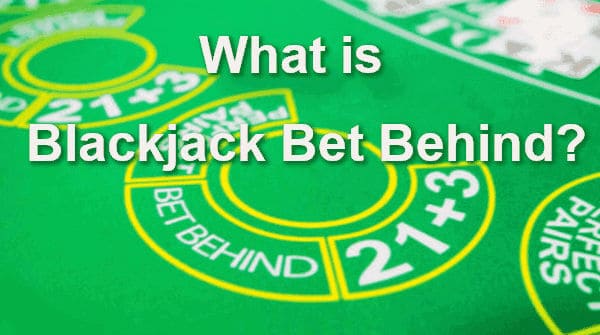
Evolution is a strong choice for live blackjack variety, from regular seven-seat tables with Bet Behind to Infinite Blackjack, which removes seat limits. If you want quicker rounds, speed-focused tables can help. Pragmatic Play’s Speed Blackjack is built to shorten round length by up to 30% through quicker decision timing. Playtech stands out for hybrid options like Blackjack VZN, which aims to mimic a shared-table feel without a live dealer and has an RTP of 99.55%. 

While there is no single “best” provider, when you get familiar with what major studios offer, it will be much easier to navigate the catalogues of online blackjack casinos to pick a perfect game for your session.

Free Blackjack vs Real Money Blackjack

Free blackjack is a practice mode where you play with virtual chips instead of cash. It is useful for learning the flow of the game, getting comfortable with actions like split and double, and, most importantly, drilling basic strategy until the right plays feel automatic. A good session of free play can save real money later, because even small recurring mistakes add up across hundreds of hands.

On the same table, real money blackjack uses the same rules and odds as the demo version, but the experience changes once your stake is on the line. Deposits, withdrawals, table limits, and bonus terms become part of the decision. A table with a $1 minimum lets you practise bankroll control in a realistic way, while higher limits can turn short swings into meaningful losses. Real money play also brings extra features, like loyalty points and live dealer chat, plus add-ons such as side bets, which, while fun, carry much higher house edges than the main hand.

A practical path is to start free until you can follow a basic strategy without hesitation, then move to low-stakes real money tables with a 3:2 payout. Keeping stake size steady and avoiding insurance and side bets makes the transition far smoother.

Other Casino Games Blackjack Players Often Enjoy

Blackjack players tend to like online casino games where decisions matter, rules are transparent, and the house edge is not wildly inflated. If you want a change of pace without drifting too far from that mindset, these are common picks:

  • Baccarat: simple choices and fast rounds, with Banker bets offering one of the lowest edges in the casino (~1.06%).
  • Video Poker: close to blackjack in how much correct decisions affect returns, especially on strong paytables (for example, 9/6 Jacks or Better has 0.46% house edge, with optimal play).
  • Online or Live Roulette: a simple alternative to blackjack with a decent house edge, especially when you stick to French or European roulette tables (2.70% on standard single-zero European wheels, and 1.35% on even-money bets when French rules like La Partage apply).
  • Craps: the game can look a bit complex, but basic bets like pass and don’t pass have relatively low house edges (Pass Line ~1.41%, Don’t Pass ~1.36%).
  • Poker Rooms: poker games require a different skill set, yet are still strategy-led, with outcomes driven more by decisions than fixed house maths or luck (instead of a house edge, the room charges rake, commonly ~5%–10% of the pot, capped at a certain value depending on the rules).
Read Review

FAQs About Online Blackjack

Can you win money playing blackjack online?

Yes, you can win money playing blackjack online, as outcomes are decided hand by hand. Over the long run, results depend on table rules and decisions. Using basic strategy and avoiding high-edge options like 6:5 payouts and side bets gives you the best chance.

Which blackjack variant has the lowest house edge?

Classic blackjack with strict rules tends to be best. Look for a 3:2 payout, fewer decks, and rules that make the dealer stand on soft 17, and allow splitting, doubling, and DAS. Also, keep in mind that European no-hole-card variants feature slightly higher risk on doubles and splits.

Is live dealer blackjack better than RNG blackjack?

Neither is automatically better. RNG blackjack is faster and suits strategy drilling. Live dealer blackjack is slower, more social, and closer to a real table. The key is picking a good ruleset in either format, especially 3:2 payouts.

What is the minimum and maximum bet in online blackjack?

It depends on the table. Many RNG blackjack casino games start around $0.10–$1, while live tables often begin at $1–$5. Maximum bets can range from a few hundred dollars to several thousand, with VIP tables going higher.

Can you play online blackjack on mobile devices?

Yes. Most casinos offer mobile-friendly blackjack through a browser or app on iOS and Android. Just keep in mind that while RNG tables tend to run smoothly even on modest connections, live dealer blackjack needs stable Wi-Fi or strong mobile data for a smooth session.