









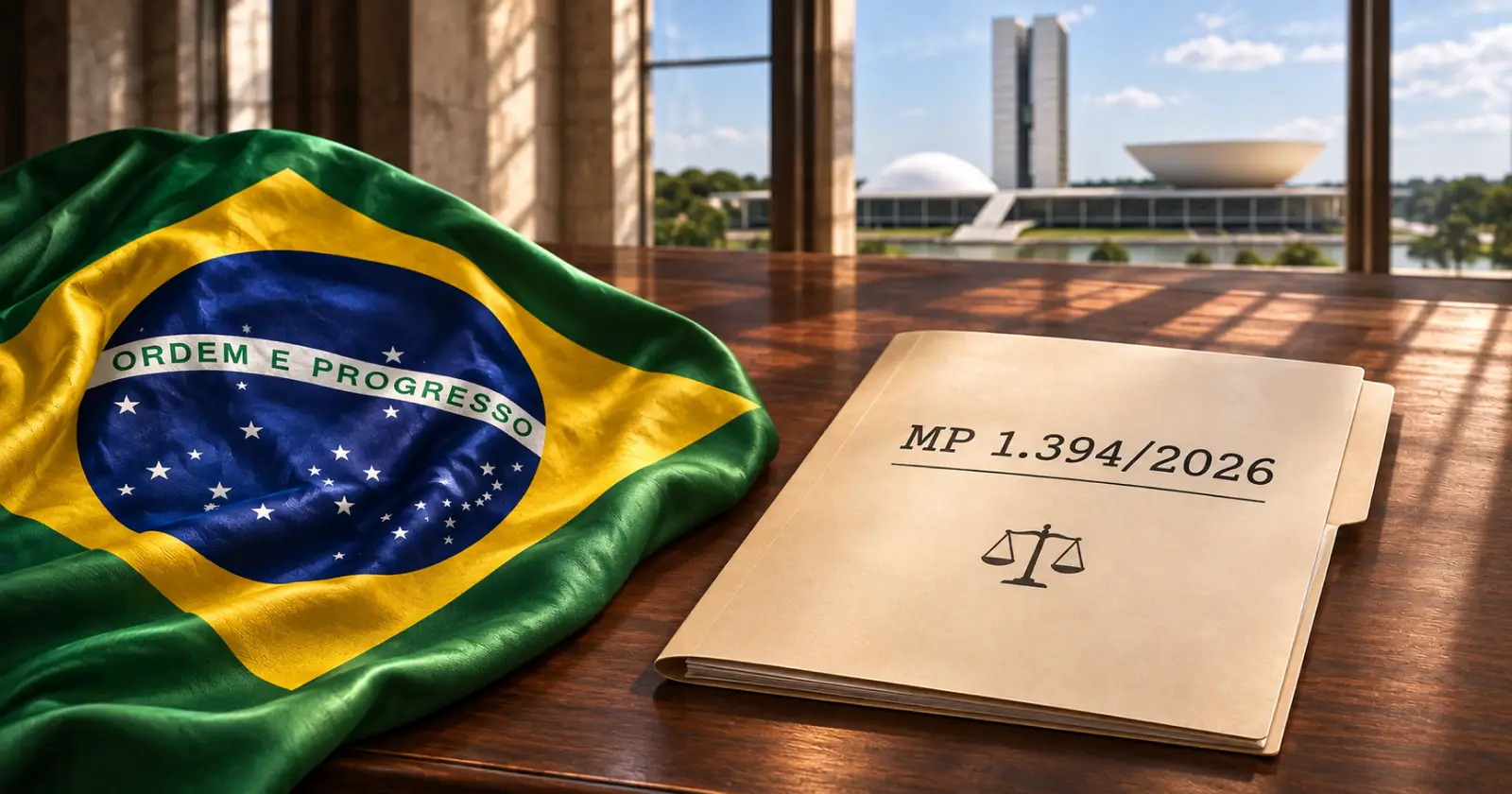
Brazilian authorities have blocked nearly 47,000 illegal betting websites since the government introduced a provisional measure prohibiting sports betting and online gambling on 25 September 2026. According to the Secretariat of Prizes and Betting (SPA), part of the Ministry of Finance, around 1,100 websites have been shut down each day since the measure came into force.
The scale of the enforcement campaign highlights the challenges facing authorities as they attempt to restrict access to unlicensed gambling services. The provisional measure has also created uncertainty for companies that previously obtained authorisation to operate in Brazil.
Before the prohibition, licensed operators were required to pay R$30 million for a five-year licence, which allowed them to operate up to three betting brands in the country. The authorisation process generated approximately R$2.55 billion in investment from companies and around R$500 million in government revenue through licensing fees.
Industry associations have challenged the provisional measure before Brazil’s Supreme Federal Court (STF). The National Association of Games and Lotteries (ANJL) and the Brazilian Institute for Responsible Gaming (IBJR) argue that the restrictions are unconstitutional and could lead to substantial financial losses and job cuts.
The legal dispute has now entered a new phase after Justice Luiz Fux suspended proceedings challenging the measure. The decision followed a request from the Office of the Prosecutor General (PGR), which sought to prevent different courts from issuing conflicting rulings on the same issue.
Fux highlighted the risk of legal uncertainty if multiple decisions were made independently while the constitutionality of the measure remained unresolved. The suspension means the challenges will remain pending before the Supreme Court until a final determination is reached.
The prohibition has therefore created two parallel developments: an extensive government campaign against illegal betting websites and a legal challenge from businesses that invested in the country’s licensing framework. Licensed operators and industry groups are seeking to protect their investments, while authorities continue to enforce the restrictions.
The Supreme Court’s eventual decision will be crucial for the future of Brazil’s betting market and for companies that had planned their operations around the previous regulatory system.







Comments
This action can't be undone.