







Roulette is the heartbeat of the casino floor. It is elegant, fast, and appears deceptively simple. You place a chip, the wheel spins, and the ball determines your fate. Whether you play at a physical table or in an online casino, the game functions on specific rules that never bend.
They rely on understanding roulette table odds, managing their bankroll, and knowing exactly what the payout will be if they win. We will examine the relationship between risk and reward, the specific roulette winning odds for core wagers, and how different wheel layouts affect your bottom line.
Odds vs. Payouts Roulette
In gambling, there are two critical numbers you must distinguish: the odds of winning and the payout odds. The difference between these two figures is how the casino operates as a business.
True odds vs payout defines the game structure.
Imagine a standard European roulette wheel. It has 37 pockets numbered 0 to 36. If you place a chip on a single number, your mathematical probability of winning is 1 in 37. If the casino paid you based on the exact risk you took (True Odds), a winning bet would pay 36 to 1. You would break even over time.
However, the standard payout for a single number is 35 to 1.
The casino retains that small difference. You take the risk of a 1-in-37 event, but you are paid as if it were a 1-in-36 event. This principle applies to all bets in roulette. Even on “even money” wagers like Red or Black, the presence of the green Zero means your chance of winning is always slightly less than 50%.
Understanding this gap is vital. It is not about avoiding the game; it is about knowing the price of admission for the entertainment provided.
American vs. European Probability
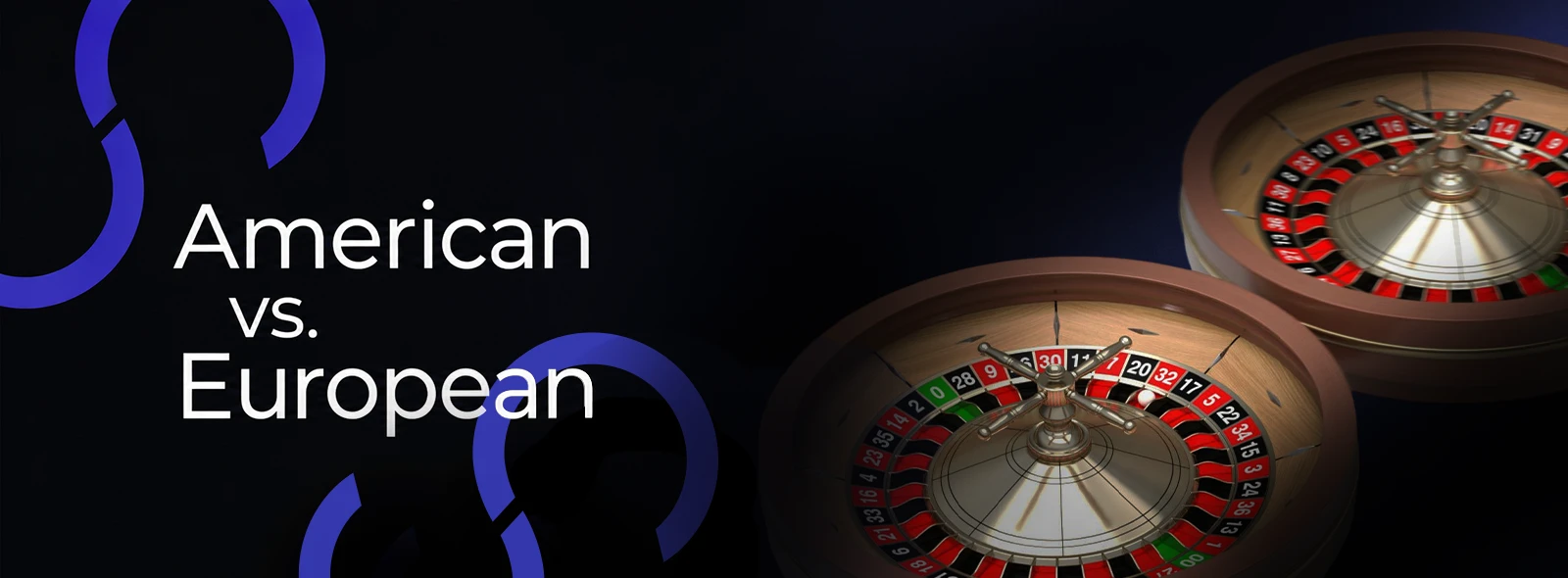
The physical design of the wheel dictates your probability of success. Most gambling sites offer two primary versions of the game: European and American.
European Roulette: This is the standard for most international players. The wheel features 37 pockets:
- Numbers 1–36 (Red and Black)
- A Single zero (Green)
The presence of just one zero keeps the house advantage relatively low at 2.70%.
American Roulette: This variation is common in the United States and some online platforms. The wheel features 38 pockets:
- Numbers 1–36 (Red and Black)
- A Single zero (Green)
- A Double zero (Green)
That extra “00” pocket drastically changes the math. It increases the total number of outcomes to 38, but the payouts remain identical to the European version.
Probability percentage comparison for a single number bet:
- European: 2.70% (1 in 37)
- American: 2.63% (1 in 38)
While the difference appears slight, it compounds over time. The house edge on American tables is 5.26%, nearly double that of the European game. If you have the option, the European wheel always offers superior roulette wheel odds for the player.
Comprehensive Roulette Payout Chart
Successful gaming requires knowing exactly what you stand to win. Roulette payouts vary based on how many numbers your chip covers.
We categorize wagers into Inside bets and Outside bets.
- Inside Bets: Placed on the numbered grid. These cover fewer numbers and offer higher payouts but come with higher risk.
- Outside Bets: Placed on the boxes surrounding the grid. These cover large groups of numbers (like colors or dozens). They offer lower payouts but a higher frequency of wins.
The following Roulette payout chart details the standard returns for a European game.
| Bet Name | Category | Numbers Covered | Payout | Probability (European) |
|---|---|---|---|---|
| Straight Up | Inside | 1 | 35:1 | 2.70% |
| Split | Inside | 2 | 17:1 | 5.40% |
| Street | Inside | 3 | 11:1 | 8.10% |
| Corner (Square) | Inside | 4 | 8:1 | 10.80% |
| Six Line | Inside | 6 | 5:1 | 16.20% |
| Column | Outside | 12 | 2:1 | 32.40% |
| Dozen | Outside | 12 | 2:1 | 32.40% |
| Red / Black | Outside | 18 | 1:1 | 48.60% |
| Odd / Even | Outside | 18 | 1:1 | 48.60% |
| High (1-18) / Low (19-36) | Outside | 18 | 1:1 | 48.60% |
Roulette payout odds are generally standard across all casinos. However, remember that on an American table, while the “Payout” column stays the same, the “Probability” column decreases for every bet due to the extra double zero.




The “House Edge” Calculated
The house edge in roulette represents the mathematical advantage the casino holds. It is the average profit the house expects to make from each bet over the long term.
- European Edge: 2.7%
- American Edge: 5.26%
This edge is derived from the RTP (Return to Player). The RTP is the percentage of all wagered money that a game will pay back to players over time.
- European Roulette has an RTP of 97.3%.
- American Roulette has an RTP of 94.74%.
Bonuses and Wagering: Many players utilize a welcome bonus to extend their playtime. This is a valid strategy, but you must read the terms. Because roulette allows for low-risk bets (like placing offsetting even-money bets, which is often forbidden for bonus wagering), casinos place strict wagering requirements on table games.
While slots might contribute 100% of your bet toward clearing a bonus, a roulette bet often contributes only 10% or 20%. In some cases, it contributes 0%. Always check the “Game Weighting” section of the terms before you deposit. You need to know if your play is counting toward releasing your bonus funds.
Probability of Streaks (The Gambler’s Fallacy)
A common pitfall for new players is misunderstanding independence. If the ball lands on Red five times in a row, intuition suggests that Black is “due” to hit next. This is known as the Gambler’s Fallacy. In reality, the wheel has no memory. The specific mechanics of the spin are reset every time. The odds of Red in European roulette are 48.6% on the first, sixth, and even tenth spin.
The dealer spins the wheel, and physics takes over. Previous results do not influence future outcomes. Whether you are playing live dealer roulette or a software-based version, each spin is an independent event. Many live dealer roulette interfaces display a “History” or “Statistics” panel showing hot and cold numbers. This information is interesting, but it is not predictive.
“Call Bets” Odds (The French Bets)
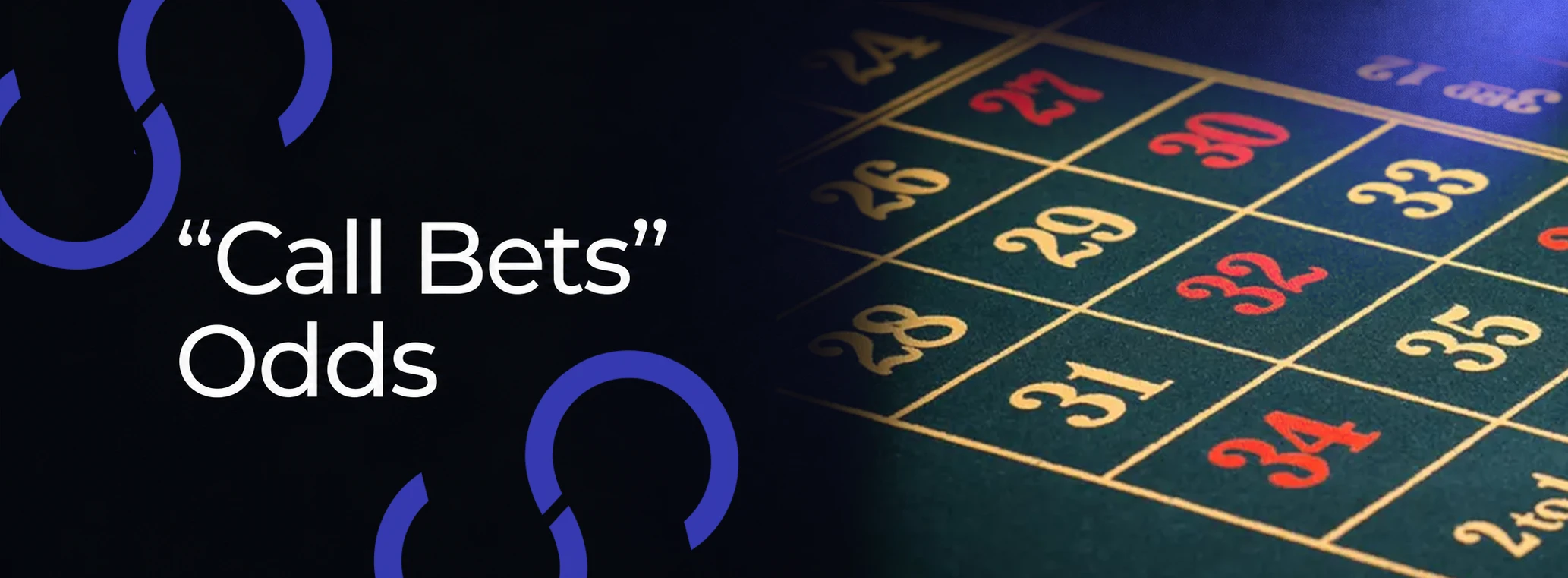
On advanced tables, particularly in European and French variations, you will see an oval track alongside the main betting grid. This is the Racetrack. It allows for “Call Bets” or “Announced Bets.” These bets cover specific physical sections of the wheel rather than the numerical order on the table felt.
Voisins du Zéro (Neighbours of Zero): This bet covers the 17 numbers surrounding the zero pocket on the wheel (22, 18, 29, 7, 28, 12, 35, 3, 26, 0, 32, 15, 19, 4, 21, 2, 25).
- Chips required: 9.
- Coverage: It combines splits, corners, and a trio.
- Probability: 45.9%.
Tiers du Cylindre (Thirds of the Wheel): This bet covers the 12 numbers situated on the opposite side of the wheel from the zero (27, 13, 36, 11, 30, 8, 23, 10, 5, 24, 16, 33).
- Chips required: 6.
- Coverage: 6 split bets.
- Probability: 32.4%.
Orphelins (Orphans): This bet covers the two remaining sections of the wheel not covered by the Tiers or Voisins.
- Chips required: 5.
- Probability: 21.6%.
These bets do not alter the house edge (it remains 2.7%), but they offer a different way to experience the game. If the interface is confusing, you can often ask the dealer via live chat for clarification on the minimum stakes for these bets.
How “La Partage” Affects Odds
There is a special rule that significantly benefits the player. It is known as the La Partage rule. This rule is typically found only in French Roulette. It applies strictly to even-money bets (Red/Black, Odd/Even, High/Low).
The Mathematical Impact: This rule reduces the house edge on even-money bets from 2.70% to 1.35%. This makes French Roulette with La Partage one of the most statistically favorable games in the casino, competing with Blackjack odds. If your strategy focuses on even-money wagers for steady winning potential, finding a table with La Partage is the most effective way to play.
Conclusion
Roulette is a game of chance underpinned by mathematics. The roulette payout odds are designed to ensure the casino’s profitability over time, but short-term variance allows players to win.
To play intelligently:
Select the right wheel:
Always prefer European (Single Zero) over American (Double Zero).
Know your bets:
Understand that high payouts (35:1) come with low probability, while outside bets offer consistent play.
Manage your funds:
Set strict deposit limits and stick to them.
Look for La Partage:
This rule offers the best statistical value for even-money bettors.
The wheel is unpredictable. No system can guarantee a win, but understanding the odds ensures you are making informed decisions rather than guessing.
FAQs
What Is The Safest Bet In Roulette?
Statistically, the “safest” bets are the Outside bets: Red/Black, High/Low, or Odd/Even. They cover nearly half the wheel (48.6% on European). While they only pay 1:1, they offer the lowest volatility. If you play on a French table with the La Partage rule, these bets have a house edge of just 1.35%.
What Are The Odds Of Hitting Green (Zero)?
On a European wheel, there is one zero, giving you a 2.7% chance (1 in 37). On an American wheel, there are two zeros (0 and 00), giving you a 5.26% chance (2 in 38). The payout for a winning bet on zero is 35:1.
Why Is The Payout 35:1 If There Are 37 Numbers?
European roulette has 37 equally likely outcomes, so a single number hits with a 1/37 chance. The casino pays 35:1 net winnings (with your stake returned), but the fair net payout would be 36:1. If the casino paid the fair odds, the game would have zero profit margin for the operator; that 1-unit gap is what allows the casino to cover operating costs and generate revenue, and it works out to a house edge of 1/37 ≈ 2.70%.
What Is The “Worst Bet” In Roulette?
The bet with the lowest statistical value is the “Top Line” or “Basket Bet” on an American Roulette wheel. It covers 0, 00, 1, 2, and 3. The house edge on this specific wager is 7.89%, which is significantly higher than any other bet on the table.