








Bankroll Management at the Casino: A Smarter Way to Play
Bankroll management means setting aside a fixed, affordable sum for gambling and controlling how every wager gets placed. Disciplined limits separate players who walk away satisfied from those who drain their accounts in a single session. Across online casino platforms, the pattern repeats constantly. Unplanned sessions lead to chasing losses, raising stakes in frustration, and exceeding original budgets. Setting firm boundaries before opening a game keeps you in total control.
Responsible gambling underpins this strategy. Treat bankroll rules as a shield rather than a restriction, keeping casino games purely focused on entertainment. While online platforms provide tools to set deposit limits, track balances, and review history, taking charge of your funds remains your personal responsibility.
Setting Your Casino Bankroll: How Much to Bring
Calculate your casino bankroll strictly from disposable income, using funds remaining after rent, utilities, and savings are fully funded. A sensible benchmark allocates no more than what you would spend on an evening out. That might mean £150 for an afternoon visit or £400 for a weekend trip spread over several gaming sessions. If your monthly disposable income totals £600, capping your gambling pool at £100–150 contains your downside without straining your overall finances. Budgeting this way turns abstract advice into a practical habit.
Dividing Your Bankroll for Sessions
After establishing your main budget for a trip or month, split it into smaller session allocations. If you set aside £400 for a weekend, never bring the whole amount onto the casino floor at once. Divide that sum by your planned sessions instead. A two-day break with two daily sessions turns £400 into four distinct £100 session bankrolls. This approach isolates losses to one sitting and prevents a single cold streak from cutting your trip short.
Allocating by Game Category
Another strategic layer involves assigning portions of your bankroll to different game types before you play. For example, with a £100 session bankroll, you might allocate 50% to lower-variance table games like blackjack, 30% to slots, and 20% to try a novelty game. This method ensures you can sample different parts of the casino without letting a bad run on one type of game exhaust your entire session budget.




Core Bankroll Management Strategies

A sound bankroll strategy functions as an integrated system rather than a collection of random tricks. With your main budget fixed, you need a clear formula for bet sizing and a firm exit plan. The 1-2% rule forms the backbone of this approach, capping individual bets at a small fraction of your total capital so a cold run cannot wipe you out. These principles apply across slots, blackjack, baccarat, roulette, and video poker. Game odds vary, but the baseline discipline remains constant.
The Unit Betting System
The 1-2% rule breaks your total capital into consistent units, removing emotion from bet sizing. Each unit represents 1% to 2% of your overall funds. This calculated unit, rather than your instinct after a win or loss, dictates every stake you place.
Take a £500 bankroll. At 2% per wager, your base unit is £10. You can absorb a losing streak of 15 to 20 hands before your account suffers serious damage, offering vastly more recovery room than betting £50 or £100 per deal.
Here is how unit sizing scales across standard starting bankrolls:
- £100 bankroll → £1-2 per bet
- £500 bankroll → £5-10 per bet
- £1,000 bankroll → £10-20 per bet
Smaller unit bets create more playing decisions and significantly lower your risk of ruin (the mathematical probability of losing your entire bankroll before reaching a goal).
Setting Stop-Loss and Win Goals
Before placing your first wager, establish two specific numbers: your maximum tolerable loss (stop-loss) and the profit level that satisfies you (win goal). Both limits only work if set prior to playing.
Consider two players sitting at a blackjack table with identical £300 bankrolls. Player A sets a stop-loss at £90 and a win goal at £150. When she reaches either threshold, she stands up and leaves, protecting her balance for another day. Player B plays without rules, attempts to chase a £150 loss back to even, and finishes £280 in the hole. Discipline, not luck, creates that massive gap.
Set your own operational limits using these steps:
- Calculate your stop-loss at 20-30% of your session allocation.
- Set your win target at 25-50% above your starting balance.
- Write both figures down before placing your opening wager.
Safer Gambling Practices: Safer gambling practices support this framework. Pay close attention to emotional triggers, take frequent breaks, and consider self-exclusion tools if walking away proves difficult on your own.
Establishing Session Time Limits
Time limits matter just as much as financial boundaries. Capping your sessions at 60 to 120 minutes prevents fatigue-induced mistakes. Extended play degrades focus, leading to emotional decisions that destroy solid strategies. Set a timer on your phone before starting. When it rings, close the game regardless of your current profit or loss. Stopping on schedule ensures you leave while focused and in full control.
Bankroll Management by Game Type

Variance measures how sharply a game’s payouts swing over short horizons, directly dictating proper bet sizing. Slot play can feel erratic, mixing quiet spells with sudden large payouts, while blackjack moves in smaller, more gradual increments. High variance in slots, roulette, and baccarat generates wider account swings, requiring specific stake adjustments across different game types.
| Game Category | Recommended Bet Size (% of Bankroll) | Key Characteristic |
|---|---|---|
| High-Variance (Slots, Roulette) | 0.5% – 1% | Larger but less frequent payouts; requires a more conservative approach to withstand dry spells |
| Low-Variance (Blackjack, Baccarat) | 1% – 2% | Smaller, more consistent payouts; allows for slightly larger bets as bankroll swings are less severe |
| Skill-Influenced (Video Poker) | 1% – 2% | Low house edge when correct strategy is used, behaving similarly to low-variance table games |
Slots and High-Variance Games
Online slots exhibit higher variance than most table games, creating steep swings between winning streaks and dry spells. High volatility demands a smaller bet-to-bankroll ratio. Many experienced slot players wager just 0.5% to 1% of their bankroll per spin, compared to the 1-2% stakes common at table games.
Return to Player (RTP) percentages explain the underlying maths. A slot with a 96% RTP theoretically returns £96 for every £100 wagered over millions of spins, whereas a 92% RTP game consumes capital much faster. Check the published RTP in the game information menu before playing, prioritising titles above 95% to preserve your funds longer.









Table Games and Video Poker
Blackjack sits at the lower end of the variance spectrum, accommodating slightly higher stakes of 1-2% per hand. Using optimal basic strategy shrinks the house edge below 1%, making strategic decisions far more influential than on slot machines.
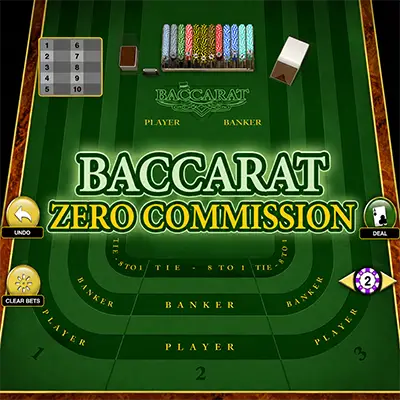
Baccarat games provide a low house edge without requiring complex strategy. Hands resolve automatically according to set rules, making capital management simple. Stick to flat bets on the Banker or Player, avoid the high-house-edge Tie wager, and let the favorable odds work over time.
Video poker combines slot mechanics with card strategy. Because proper hold choices directly influence payout rates, skilled players using strategy charts can reduce the house edge under 1%, making it an excellent choice for stretching game time.









Common Bankroll Management Mistakes to Avoid
Even experienced players succumb to impulsive choices when a session goes sideways. Recognising these recurring traps early makes it much easier to step back before small errors drain your account:
Responsible gambling resources exist to break these habits. Identifying your personal vulnerabilities is the first step toward building lasting discipline.
Tools and Tips for Tracking Your Bankroll
Tracking transforms financial discipline from a good intention into an everyday habit. Keeping accurate records prevents memory bias, where players remember big wins but forget small, steady losses. Several practical tracking methods make monitoring effortless:
Online casino promotions, including those at Bitcoin casinos in India, can boost your playing funds, but they carry strict conditions. A no-deposit bonus or deposit match looks like free money, yet wagering requirements (often 30x to 50x the bonus sum) govern when you can withdraw cash. Always review promo terms before counting bonus funds as genuine bankroll.

When to Walk Away: Recognising Your Limits
Every bankroll strategy hinges on one critical skill: knowing when to quit. Mathematical rules only protect you if you enforce them when pressure spikes.
Tilt describes the emotional state triggered by a tough loss or a cold streak. It manifests as a sudden urge to bet larger, play faster, and throw away strategy to get even. Recognising tilt in real time is difficult, which is why setting firm boundaries before playing is essential.
Stepping away at a pre-set limit is a mark of successful discipline. Whether a slot machine triggers your stop-loss, a blackjack session hits your win target, or a baccarat shoe turns cold, the proper action remains identical. Stop betting, close the game, and save your balance for next time.
This rule applies to all real-money gaming environments. Odds, game choices, and variance fluctuate constantly, but players who respect their numerical limits outlast those who let emotion take over. Bankroll management controls personal financial risk rather than predicting game outcomes. Focus on your numbers rather than the heat of the moment, and your gaming capital will stay protected.
Frequently Asked Questions
What is bankroll management and why is it important?
Bankroll management is the practice of setting aside a dedicated, affordable budget for gambling and controlling how each wager is placed. It protects your personal finances, encourages responsible play, and ensures you remain in control of your spending regardless of short-term results.
How do I set a budget for casino gambling?
Calculate your gambling allocation strictly from disposable income remaining after living expenses and savings are covered. Typical benchmarks range from £100-150 for a single outing to £300-400 for a multi-session weekend trip, adjusted to your personal financial limits.
What percentage of my bankroll should I bet per spin or hand?
Most players follow the 1-2% rule, wagering 1% to 2% of their total balance per bet. On high-variance games like slots, dropping stakes down to 0.5% to 1% protects your balance against extended cold streaks.
How do I set win and loss limits at the casino?
Establish a stop-loss at 20-30% of your session balance and a win goal at 25-50% above your starting capital before you begin. Write these targets down and exit the session as soon as you reach either number.
What are the most common bankroll management mistakes to avoid?
Major pitfalls include chasing losses, spending essential living funds, ignoring stop-loss boundaries, increasing stakes recklessly after wins, and playing past planned time limits. These behaviours accelerate losses and compromise control.
How do I handle variance and volatility in my bankroll?
Adjust your stake sizing to match game variance. Use smaller unit bets on volatile games like slots and roulette, while reserving slightly larger percentage bets for low-variance options like blackjack. Selecting titles with higher RTP ratings also preserves capital.
What tools and apps help with bankroll management?
Dedicated budget tracking apps, customised spreadsheets, and basic logs effectively monitor wins, losses, and time spent playing. Physical envelope methods also offer cash players a firm tangible spending limit.
How long will my casino bankroll last?
Your bankroll’s lifespan depends on your chosen wager size and the game’s inherent volatility. A £200 balance can provide hours of entertainment if spent in £0.50 increments on a low-variance slot. That same £200 might vanish in 20 minutes at a £10 blackjack table during a cold streak. Managing your bankroll ensures you extract maximum entertainment from your chosen budget by aligning bet sizing with game variance.